The era of generative artificial intelligence is coming: An AI action guide for professionals
 ](
](This article was originally published in “Technice Island”
Speaking of artificial intelligence (AI), I believe everyone is familiar with it, and they also know that it is not only a hot news topic, but also a major key to the development of global industries.
Recently, the International Labor Organization (ILO) under the United Nations issued a research report stating that generative artificial intelligence may not completely replace most people’s jobs, but will automate some jobs.
After analyzing the potential impact of many platforms on the quantity and quality of work, the ILO found that most jobs and industries will only be partially affected by AI automation, and most jobs are more likely to be supplemented rather than replaced by the latest wave of generative AI (Generative AI) led by ChatGPT. Therefore, the biggest impact of the emergence of various AI technologies and tools may not be the destruction of jobs, but the potential changes in work quality, especially work intensity and autonomy.
Seeing this, are you worried that AI may replace you in the future? In the past few months, I have been invited to many places to give lectures and share my views. I have seen that some of my friends are in constant panic. They are very concerned about whether their jobs will be in danger, so they begin to want to change their job track or seek ways to further their studies. In fact, judging from this ILO study, we can be more cautiously optimistic, because AI is more likely to add new job opportunities to the market, rather than completely destroying people’s job opportunities.
As you can imagine, office paperwork is currently the most affected by AI automation technology, with nearly a quarter of the work content being highly affected, and more than half of the work being moderately affected. Also because more of the population engaged in clerical work are women, the proportion of women affected by the employment is twice as high as that of men.
The research report also pointed out that due to the high proportion of clerical and supporting professional jobs in high-income countries, 5.5% of jobs will be affected by automation, while only 0.4% of employment in low-income countries will be affected. According to the latest statistics from Taiwan’s Accounting and Accounting Office, per capita GDP in 2022 will be US$32,756 (approximately NT$975,000), so it is not difficult to imagine that Taiwanese professionals will also be more affected.
This ILO research report reveals the impact and opportunities of generative AI on the workplace. As professionals, we not only need to understand the overall trends of global development, but also take appropriate actions.
As we all know, AI technology is rapidly affecting our work and lifestyle. From self-driving cars to smart assistants, the applications of AI are expanding and becoming a symbol of a new era. However, what challenges and opportunities does this technological wave bring?
Let me help you interpret the International Labor Organization’s research report and sort out some important trends based on it:
- Possibility of partial automation: Most tasks can only be partially automated. It is obvious that the current application level of AI is mainly assistive rather than replacement.
- Increase in workload: The introduction of AI may improve some work efficiency, but it will also increase people’s workload. This part requires new skills and strategies to balance.
- Affected occupations: Some occupations will be directly affected, especially clerical work, which may be severely affected, while others such as managers and salespeople are relatively low-risk, but they also need attention.
Decision-making in the public sector: The advent of the AI era will not only test the adaptability of the industry and the individual efforts of professionals, but the government and relevant departments and organizations must also actively respond.
Based on the above observations and interpretations, I also put forward some AI action guidelines for your reference based on the needs of professionals:
- Improve AI knowledge: In today’s work environment, understanding the basics of AI is indispensable. You can read the columns of “[Technice Island](https://www.technice.com.tw/?s=Zheng Weiquan)” or take courses on online learning platforms such as Hahow, Tibame, Coursera or edX to learn how to apply AI to solve practical problems. In addition, I also suggest that companies should encourage employees to pursue further studies and provide necessary subsidies and support.
- Assess the potential for automation: Assess your daily workflow and identify the parts that can be automated. For example, if you are a marketer, you can use AI tools to analyze consumer data and provide more precise targeted advertising.
- Develop interpersonal skills: Strengthening communication and collaboration skills can make you stand out in the workplace. For example, in project management, you can use your empathy and listening skills to coordinate your team in a more effective way.
- Understand industry trends: Continue to understand the application of AI in your field by subscribing to industry-related news and journals. For example, financial professionals can explore the role of AI in risk management and investment strategies.
- Create collaboration between work and AI: Consider how to make AI your partner. For example, customer service staff can use chatbots to pre-handle simple queries, allowing staff to focus more on complex issues.
- Participate in policy discussions: Actively participate in policy discussions in government and industry, making you part of the solution. For example, express your views on AI ethics and regulations by participating in public forums or writing letters to public opinion representatives.
- Continuous learning and growth: In the rapidly changing AI era, continuous learning is the key to staying competitive. You can attend online workshops or read professional books, such as learning new programming languages or market data analysis methods.
- Enhance cross-disciplinary collaboration: Look for opportunities to collaborate with colleagues from different backgrounds. For example, an engineer could work with a designer to develop a user-friendly product powered by AI.
- Maintain mental health and balance: While pursuing excellence, please don’t neglect your health. For example, set boundaries between work and personal life and use techniques such as meditation and mindfulness to reduce stress.
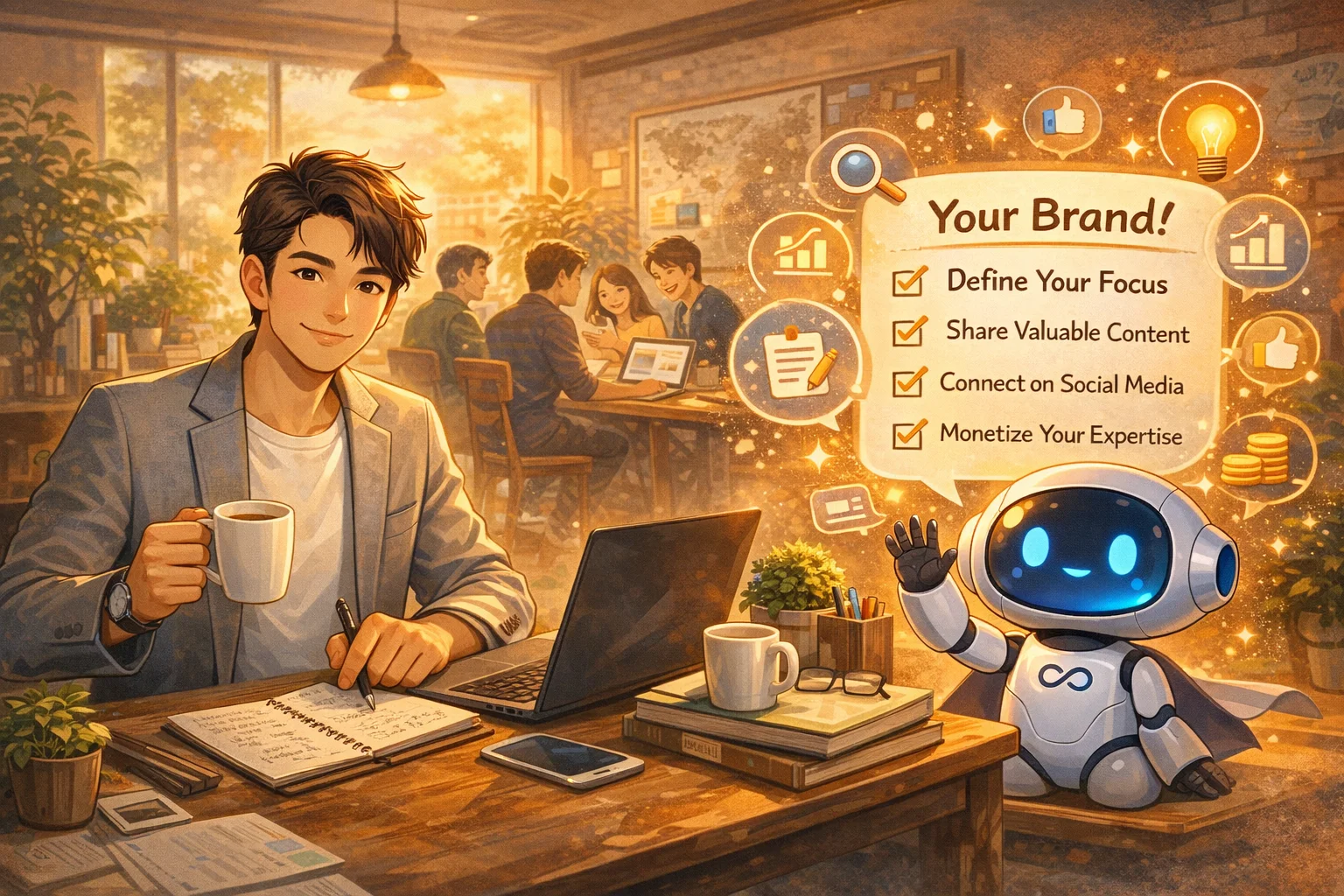
- Build a personal brand: Showcase your expertise and insights on social media. For example, you can share your project experience and opinions on LinkedIn, or refer to this site to write articles about AI.
In an era where AI technology and tools are becoming increasingly common, we must all become participants and leaders in this change. I hope that the above strategic suggestions will help you adapt to this new era quickly and find more fun in it. Let us expand our horizons together, seize future opportunities, and meet new challenges with courage and creativity.
Are you ready for the exciting future of AI? Let’s do it together!
★ Photo Credit: Barbara Zandoval on Unsplash
🚀 Want to know more AI application secrets? Welcome to Vista Empowerment Academy!
Further reading
- Refuse to be a digital tenant: Why do you need to use Vibe Coding to build a digital headquarters in 2026?
- Find your keywords: Use AI to hone the core elements of your personal brand
- Let ChatGPT plan your personal brand development plan