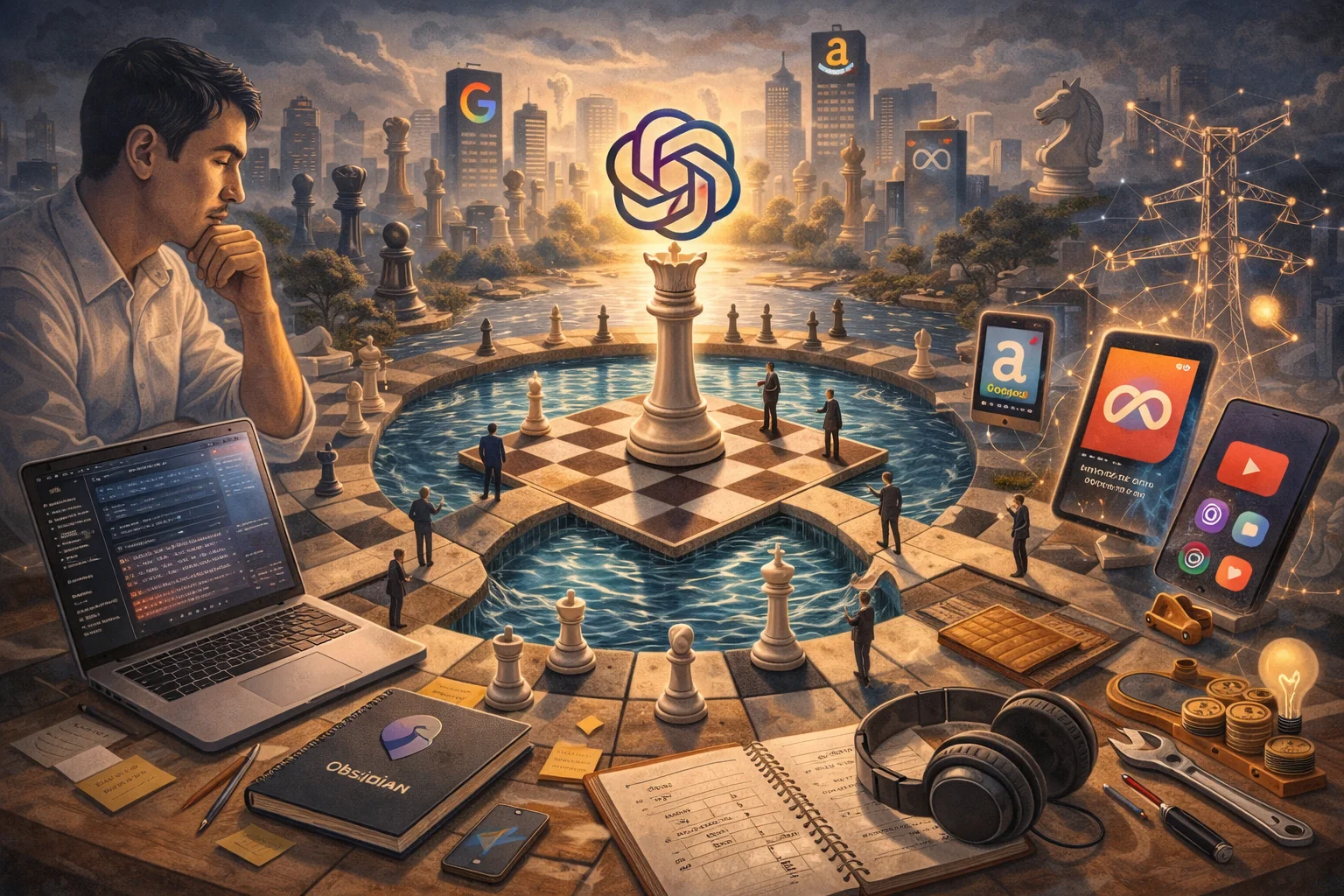
From Twitter to X: Returning after twenty years, long-form writing is the bankbook of trust
Things are unpredictable, and I never thought: twenty years later, I would be back here again.
Well, after all, I can be said to be an early adopter of Twitter. When I first used Twitter, no one taught me how to use it, and I didn’t know what it could do. When I registered in December 2006, to be honest, I was just a little curious: I wonder what would happen if I casually posted a sentence on the Internet? At that time, Twitter was very much like a city that had not yet paved roads. Its functions were very primitive, the atmosphere was very loose, and no one cared much about layout and image. Even if it was a tweet scribbled on a note paper, the world would accept it all.
At that time, just because a few blogging friends started using it, I followed suit.
The Pulse of the Times: Twitter’s Takeoff and Fatigue
Who knew that it would later become the pulse of the times. From the 140-character limit forcing you to finish your sentence, to hashtags, retweets, and timelines becoming highways for public issues; many incidents did not happen because they were reported, but first happened on Twitter before they were seen by the world.
“That feeling is very special: you are not watching the news, you are watching the scene before the news is formed.”
Therefore, I watched it take off all the way, and I also watched it gradually show signs of fatigue - the rhythm became more and more urgent, the emotions became more and more high-spirited, and the noise became louder and louder; for a period of time, I actually left and shifted my focus to Facebook or other social media. It’s not that I don’t love it, but I feel that I shouldn’t waste my energy on the inexplicable flow of information.
Return to X: It’s not about gaining a sense of presence, but about writing articles seriously
But recently I came back, and I didn’t come back to increase my presence, but I came back to write articles seriously.
I know very well that the state of mind when returning this time is different from before. In the past, Twitter was like a square. If you shouted randomly, people would turn around; now X is more like a content platform. It has begun to use systems, products and rewards to Encourage creativity. It can be felt that they really want to keep people and content. X’s official Creator Revenue Sharing is one of the clearest signals: it shifts the creation on the platform from a social behavior to a creator behavior with more economic incentives, and the qualifications, specifications and terms are clearly written.
More critically, its attitude toward long-form content has become more positive of late. On the one hand, There were also reports during the same period that X stated that it would expand the revenue sharing pool due to the growth of Premium subscriptions in 2025, allowing creators to have higher potential returns.
Feelings and excitement: Social media finally begins to respect in-depth content
I’m actually a little emotional and a little excited about this matter.
What makes me sigh is: after twenty years of development, social media has finally begun to respect well-written things. If you look at the dominance of short-form videos and the rampant use of headlines, it’s not that many people don’t know how to think, but they are not encouraged to finish writing their thoughts; what the platform wants is retention and stimulation, not discussion and deduction. When a platform is willing to reward long content in return, it is acknowledging to some extent that what truly builds trust is not how often you update, but whether you can continue to output content that has context, opinions, and can be cited.
“What really builds trust is not how often you update, but whether you can continue to output content that has context, opinions and can be quoted.”
From inspiration notebook to opinion column
I used to use Twitter as an inspiration notebook. Even if it was a sentence, an observation, or an observation, I would throw it in there first. Now I prefer to treat Because I know that in this era where AI makes information cheap, what is truly valuable is not the information itself, but how you choose the topic, how you cut corners, and how you use words to turn a fog into a road (/blog/build-a-personal-brand-make-good).
“In this era where AI makes information cheap, what is truly valuable is not the information itself, but how you choose the topic, how you cut corners, and how you use words to turn a fog into a road.”
Therefore, I gave myself a very simple declaration of return: don’t rush to speak out, and practice speaking clearly.
On top of the reward mechanism, maintain your own rhythm and taste
The content reward mechanism of X also has a set of content monetization standards to regulate what can and cannot be earned.
But as a creator, what I care more about is: whether I can still maintain my own rhythm and taste based on this set of mechanisms. To put it more bluntly - if social platforms start to reward content, then I will reward myself even more: reward depth, reward honesty, and reward myself for thinking about something more clearly and writing more thoroughly.
“If social platforms start to reward content, then I will reward myself even more: reward depth, reward honesty, and reward myself for thinking about something more clearly and writing more thoroughly.”
So this time I come back, I don’t plan to treat X as a check-in task that must be published every day, but as a new writing scene. In a way, this is also a reminder to myself, back to the original starting point in 2006.
——Not chasing popularity, not chasing traffic, but asking: Does the fact that I wrote this text really make people understand the world a little better?
If the answer is yes, it’s worth it.
Further reading
- Build a personal brand: Make good use of content marketing thinking to run your blog
- A brief discussion on the creator economy feat. Diao Siyu, co-founder of AnyoneLab
- Before you start writing, develop a content strategy
- A guide to running a blog for newbies
📖 深入探索相關主題