When AI becomes a writing assistant: My real experience and future prospects
My first contact with AI: from surprise to integration
As a teacher who teaches AI applications at a university and has also written three AI books, I will always remember the first time I used an AI writing aid. It was the end of 2022, ChatGPT Not long after it was launched, as a [Writing Coach](https://podcasts.apple.com/us/podcast/vista-Zheng Weiquan-Writing Coach-Copywriting Power is Your Money Ability/id1710356004?i=1000640335840) I guide Out of curiosity and a little doubt, I entered a simple prompt: “Write an outline for me about small and medium-sized enterprises [digital transformation] (https://www.vistacheng.com/2021/05/competing-in-the-age-of-ai.html).”
The results shocked me.
Not only because it quickly produced a complete outline, but also because this outline actually captured the vague thoughts in my mind and even provided angles that I had not yet thought of. At that moment, I was both excited and uneasy—excited because of the unexpected potential of this technology, and uneasy about the challenges it might bring to my career development.
“Writing is such a personal thing, can it really be replaced by AI?” This question has been lingering in my mind for a long time.
Now, more than two years later, my workflow has already been deeply integrated with AI. Every morning, I use AI to help me sort out the latest trends and cases in the industry; when preparing for university and corporate courses, I use it to expand my ideas and check the integrity of the content; even when I encounter writing bottlenecks, I ask it to provide different ways of expression or give me new ideas.
I don’t want AI to just ghostwrite.
This is very important.
The truth about AI writing: convenience and limitations coexist
How AI changed my writing process
My current writing process is roughly this:
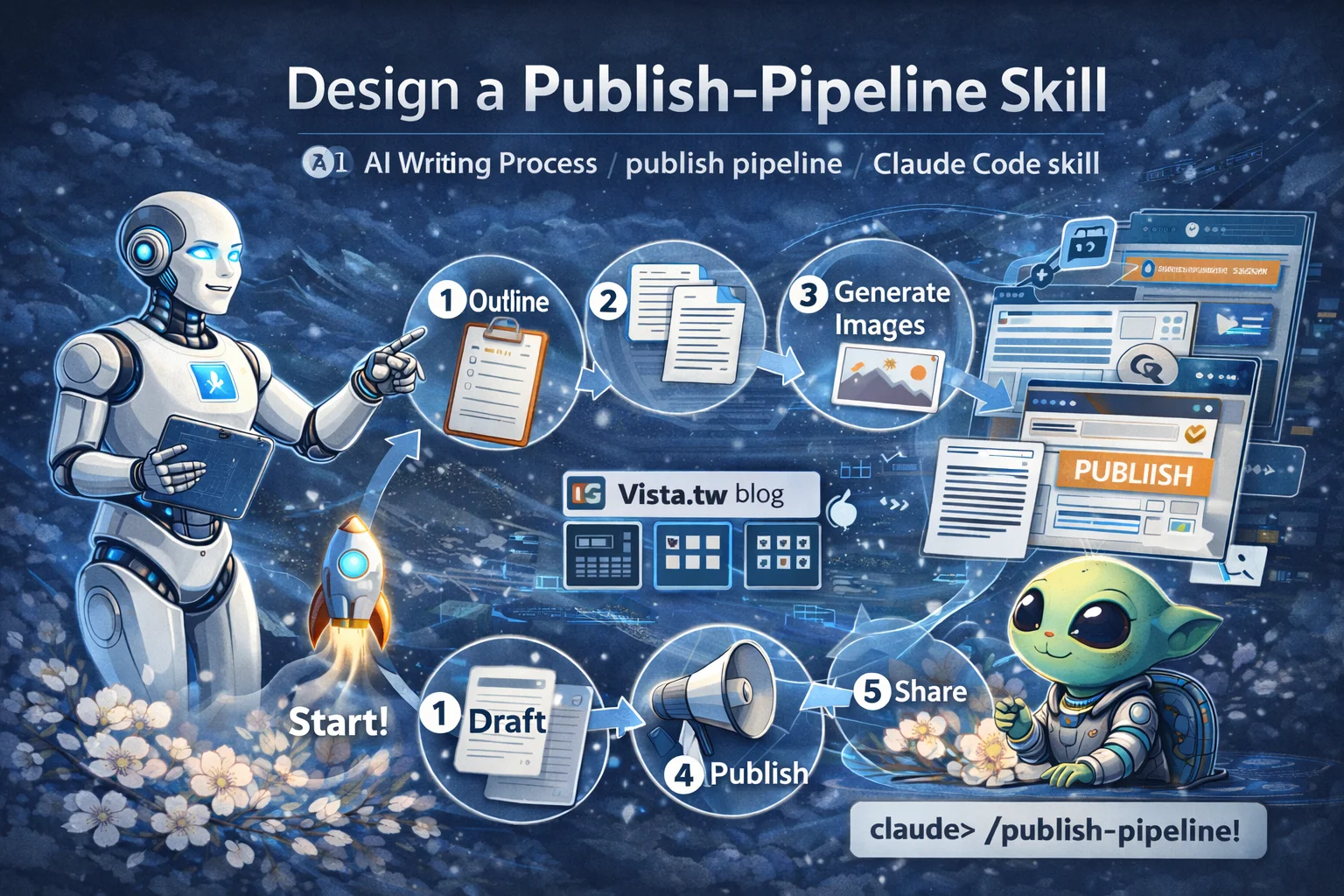
- Ideation stage: I will first hand-write key ideas and core information in a notebook, and then let AI help me expand possible development directions and structures.
- Data collection: Use AI to quickly obtain basic background information, but key data and cases still need to be verified by yourself.
- First draft writing: Completely done by yourself, injecting personal opinions and experiences.
- Revision stage: First revise by myself, and then use AI to analyze the structure of the article and point out deficiencies or weak links for me.
- Final polish: Let AI check grammar and polish the article, but keep your own writing style.
This process increased my writing efficiency by about 40%, but the overall quality did not decrease. On the contrary, my efficiency increased because I had more time to think deeply about the core ideas.
For example, last year I wrote a white paper for a new technology company, and it took less than two weeks from conception to final draft; in the past, without AI assistance, it might have taken a full month or even longer. The client was very pleased with the end result and especially appreciated the industry insights hidden between the lines - yes, this is exactly what I put more thought into.
The biggest limitation of AI-generated content
However, as I use AI more and more, I see its limitations more and more clearly. Simply put, it mainly manifests itself in the following aspects:
- Lack of depth of real experience: AI is not human after all and cannot provide insights based on real life experience. For example, when I asked AI to write an article about “the journey from product manager to [full-end engineer] (https://tw.alphacamp.co/blog/fullstack-software-developer)”, although it could give a reasonable emotional description, it lacked the subtle struggles and complex emotions in real life decision-making.
- Difficulty capturing the brand’s unique voice: From Xiaomi to Apple to Tesla, each brand has its own unique tone and expression, which requires an in-depth understanding of brand values and culture. Although AI can imitate the superficial style, it is difficult to truly reflect the deep values of the brand. If you just pile up rhetoric and show off your writing, you will not be able to fully interpret the essence of Brand Story.
- Patternization of ideas: Ideas generated by AI often follow specific patterns and lack real breakthrough thinking. I once conducted an experiment in which 20 students and AI each came up with advertising slogans. As a result, the slogans conceived by this group of students were significantly better than AI in terms of originality and emotional resonance.
- Insufficient understanding of cultural context: Especially when dealing with local culture, slang or current affairs, AI often seems unable to do its job. For example, at the end of last year, I wrote a series of social posts for a local Taiwanese brand, which contained many local cultural elements and popular memes and pictures, which are difficult for AI to accurately grasp.
Nowadays, many companies are beginning to use AI to write copy, and I once received a brand story written entirely by AI. At first glance, the writing was smooth and the structure was complete, but after reading it, I only remembered the frame of the story and could not feel any emotional resonance. Having said that, this is what is called “soulless” - even though it is technically impeccable, it lacks the authenticity to connect with people.
How AI changed my teaching of writing
Changes in teaching methods
As a writing coach, my teaching methods have also undergone a huge transformation in the past two years.
Before AI became commonplace, my courses focused on writing skills, organization, and rhetoric. Nowadays, these technical contents can be quickly obtained through AI, so I must seek transformation and breakthroughs, and the focus of teaching has begun to shift to deeper ability cultivation:
- Establishment of unique viewpoints: Teach students how to develop and express their own opinions.
- Critical thinking: Cultivate students’ ability to interpret, question and analyze information in depth.
- AI prompt technology: Provide guidance on how to design effective AI prompt words to obtain the best assistance.
- Editing and optimization of AI-generated content: Teach the skills of how to judge and improve AI-generated content.
- Emotional resonance and storytelling: Strengthen writing skills that can arouse emotional resonance in readers.
Now, my courses include practical sessions of the “AI + human” collaboration model. Students can not only learn the most cutting-edge AI application knowledge, but also learn when to rely on AI and when to leverage the original advantages of humans.
Changes in students’ learning curve
Even when using the same AI tool, I found that different students use it differently. I notice three typical situations:
Case 1: Accelerate growth
Jason is a financial analyst who works for a large financial holding group. He joked that he has only had numerical thinking since he was a child and has no writing foundation at all. However, his clear logic and rigorous thinking are great advantages. So, I taught him to use the method of “human thinking + AI expression + human optimization”: first sort out the core ideas by himself, then let AI help express it, and finally review and modify the content by himself to ensure accuracy and personal style.
After three months, his writing skills improved significantly, especially in expressing complex concepts. More importantly, this process strengthened his thinking skills and he is now able to organize and express his ideas more clearly. Whether you’re writing an investment report or presenting a client briefing, you can get it right!
Case 2: Over-reliance
In contrast, Emily goes to the other extreme. As a marketing specialist, she relies entirely on AI-generated content, which she uses directly with minimal modifications. In the short term, her output did increase, but after six months problems began to show: her articles lacked coherence, she was unable to develop a personal style, and more seriously, her own writing skills deteriorated.
When I asked her to complete an article without using AI, it took her longer than before and she experienced a noticeable drop in quality. This showed that over-reliance on AI would weaken a person’s basic abilities. Later, I encouraged her to start practicing with free writing, which slowly allowed her to regain her confidence in writing.
Case Three: Best Balance
The most successful example is Devon, a content manager at a technology company. He sees AI as a tool to expand thinking, not a replacement. He will first establish clear content goals and key information, then conduct multiple rounds of dialogue with the AI to explore different angles and expressions, and finally combine the AI’s suggestions with his own insights to create the final version.
One year later, he not only improved his writing efficiency, but his depth of thinking and creativity level also improved significantly. He told me happily: “AI is like a good helper for me. It can help me break through the boundaries of thinking, but it will not affect my work. The final decision-making power and creativity are still in my hands.”
I wonder if you can see a key point from the above three cases?
AI is an amplifier, not a replacement. It can amplify your strengths, but it can also inadvertently amplify your weaknesses.
In other words, the way AI is used often determines the final outcome.
How brands can stand out in the age of AI content
Challenges in the era of excess content
In the era of information explosion, we actually have no shortage of content. The popularity of generative AI has undoubtedly exacerbated this trend. In such an environment, how can brands ensure that they are not overwhelmed?
In recent years, I have provided writing and content strategy consulting services to several businesses, and here are some successful strategies I have observed:
Content Strategy for Successful Brands
Strategy 1: Pursue depth rather than breadth
The most successful brands have stopped chasing quantity of content and instead focused on creating deep value. For example, a B2B software company abandoned its plan to publish three blog posts per week and instead published an in-depth research report every month. As a result, website traffic increased by 30% and conversion rate increased by 15%.
This incident reflects a trend: in an era when AI can easily produce a large amount of general content, in-depth and professional content is the real rare commodity.
Strategy 2: Pay attention to authenticity and transparency
More and more brands are beginning to speak human words, showing their “human” side, and generously sharing real stories and behind-the-scenes processes. For example, a local clothing brand in Taiwan regularly publishes designers’ work diaries and creative inspirations. Although these contents are not perfect, they are full of realism. As a result, the social interaction rate is 300% higher than that of general promotional content.
In the face of a sea of perfect but soulless content generated by AI, imperfect but true human expression has become a competitive advantage.
Strategy 3: Seek community co-creation
Including users in the content creation process is another effective strategy. For example, a certain technology start-up uses user voting to determine the theme of its official blog. They not only hold discussions, invite users to share their experience, and even let users participate in the naming of the product. This approach not only enhances user stickiness, but also generates unique content that is difficult for AI to replicate.
Strategy 4: Multi-sensory experience
Breaking through the limitations of pure text and creating multi-sensory experiences is also an effective differentiation strategy. One restaurant brand I worked with not only shared recipes on social media, but also shot a series of ASMR cooking videos and scent description cards, creating a richer content experience. Although AI can generate multi-modal text, images, and videos, the creation of comprehensive sensory experiences still requires human creativity.
ASMR refers to a subjective feeling of “low-level euphoria”. It is not a scientific concept in itself, but a term created by the online community. It is characterized by “a combination of positive sensations and a unique tingling sensation on the skin that is similar to electrostatic induction.” It is most commonly triggered by special auditory stimulation, but less frequently by deliberate and active concentration.
Case Study: Breaking Out from the Ocean of AI Content
How to use content marketing to break through? I remember working with a new e-commerce brand before. The brand, which focused on sustainable lifestyles, was doing well before it faced fierce competition from large platforms and countless similar products.
Our response strategies are:
- Establish a distinct brand voice: Instead of using cold jargon and flowery rhetoric, use expressions that are passionate and mission-driven.
- Take the entrepreneurial story as the core: dig deep into the founder’s personal experience and values and make it the soul of the content.
- Real user experience: Collect and share unmodified user stories, including positive reviews and suggestions for improvement.
- Transparent production process: record in detail the entire process of the product from concept to implementation, including failed attempts.
- AI assists rather than dominates: Use AI for content planning and preliminary draft planning, but the core information and emotional expression are all completed by team members.
After six months, their social following had grown by more than 200%, their conversion rate had increased by 35%, and best of all, they had built a loyal following of brand advocates.
Looking back, I discovered that the key to success was that they were not trying to compete with large competitors in terms of volume, but in establishing differentiation in authenticity, transparency, and emotional connection. Having said that, this is an area that is difficult to replicate with current AI.
The value proposition of future writers
Faced with the rapid development of AI, many writers can’t help but feel anxious:
Where is our value? Is it still worth investing time in learning to write?
As an engineer-turned-writing coach, I understand this discomfort.但经过深入观察和实践,我认为写作者的未来不仅光明,而且可能比以往任何时候都更加重要。 The key is to find the right value proposition.
Explore new areas of value for writers
1. Creators of meaning, not producers of mediocre content
Future writers should position themselves as “creators of meaning” and focus on:
- In-depth insights and original thinking
- Emotional resonance and value expression
- Simplification and translation of complex concepts
- Presentation of unique perspectives
For example, writers in the field of technology should not only focus on describing technical details (after all, AI is already very good at this), but should focus on how technology changes human life and raises ethical issues. To do this well requires cross-disciplinary thinking and humanistic care.
2. Act as a communication bridge rather than a transmitter of information.
The value of writers is also reflected in building communication bridges between different groups, fields and cultures:
- Knowledge translation between experts and ordinary people
- Promote understanding between different cultural backgrounds
- The connection between complex data and daily life applications
- Bridging scientific research and public policy
For example, health information communicators need to translate complex medical research into information that the public can understand while maintaining accuracy and usefulness. Although AI can summarize many complex research results, it is difficult to achieve this delicate balance in a short time.
3. AI collaboration expert
Mastering the art of collaboration with AI will also become the core competitiveness of writers:
- The ability to accurately prompt technology
- Effective editing and reorganization of AI output
- Design and optimization of human-machine collaboration process
- Expansion and deepening of AI creativity
In the future, basic copywriting work may be handled by AI, but it will also create many new job opportunities. For example, one of my former students, Kay, now specializes in providing AI automation import services to enterprises to help them design the best human-machine collaboration content processes. I think this is not only a new business opportunity, but also a good career development direction.
Just as Huida CEO Huang Renxun mentioned “Two Team Theory”, all this will subvert the future workplace.
“The enterprise of the future will be composed of two teams: one is organized by humans, and the other is composed of AI.” Huang Renxun said.
Giving a new definition to writing ability
Of course, in the AI era, the definition of writing ability also needs to be updated. As I see it, it includes:
- Thinking ability: critical thinking, systematic thinking, and cross-field integration abilities
- Emotional intelligence: the ability to understand readers’ needs, elicit resonance, and establish emotional connections.
- AI collaboration skills: the ability to effectively guide AI, evaluate AI output, and optimize human-machine collaboration
- Strategic vision: the ability to understand content purpose, reader journey, and business goals
- Cultural sensitivity: understanding and respect for different cultures and values
These writing abilities with AI literacy have long gone beyond “choosing words and making sentences” in the traditional sense, and require the establishment of a comprehensive high-level ability system. If you are interested in this topic, please leave a message or write to discuss with me!
The following “AI Prompt Word Framework for Journalists” is the framework I designed for the students of the Journalism Department of Shih Hsin University. Maybe you are not a journalist, but the principles of prompt words are the same. Friends who are interested can refer to it!
AI prompt word architecture for journalists
Practical advice for writers at different stages
Based on my experience coaching thousands of students, here are some tips for writers at different stages:
Beginner (0-1 years experience):
- Master basic skills: You still need to learn the basic principles of writing, but you can use AI to speed up the learning process
- Establish thinking habits: Develop the habit of independent thinking and information integration, and do not rely on AI to generate core ideas.
- Practice AI collaboration: Try different human-machine collaboration processes to find the method that suits you best
- Develop reading habits: read a lot of high-quality content and analyze its structure and expression
- Daily writing practice: insist on writing at least 500 words independently every day to train your expression muscles
Recommended learning path: First spend 1-2 months to master basic writing principles, and then enter the cycle of “AI-assisted creation → independent revision → seeking feedback → reflection and improvement”.
Intermediate Writer (1-3 years of experience):
- Focus on the field: Choose 1-2 professional fields for in-depth research and establish professional authority
- Develop personal style: Consciously develop a unique writing style and expression
- Improve storytelling skills: Strengthen narrative skills and learn how to convey complex concepts through stories
- Optimize the AI collaboration process: design a personalized AI writing assistance system to improve efficiency
- Cross-field learning: Consciously learn knowledge in other fields and expand the boundaries of thinking
Recommended project: Try to open a personal column for 3 months, choose a professional topic, and publish an in-depth article in self-media every week.
You can use AI to assist in data collection and first draft generation, but please ensure that the core ideas and analysis come from your own ideas.
Senior Writer (3+ years of experience):
- Establish IP value: Systematize personal professional views and methodologies to form unique knowledge products
- Cultivate communities: Establish professional communities around specific topics to promote in-depth exchanges
- Develop AI enhancement tools: design your own AI prompt library and workflow
- Innovative forms of expression: explore cross-media and multi-sensory content expression methods
- Strategy guidance ability: Improve understanding and planning ability of content strategy
You can transition from a content creator to a content strategy consultant or knowledge creator, providing high-level content strategy guidance instead of just performing writing tasks.
The future of writing is “human-machine collaboration” rather than “human-machine opposition”
After more than two years of close collaboration with AI, I feel cautious and optimistic about the future of writing.
As someone who has been around words for a long time, I dare to say that AI will not replace all writing tasks, but it will obviously reshape the definition and value of writing. I must also say seriously that those writers who still regard AI as a threat and refuse to adapt may be marginalized; those who rely entirely on AI and lose the ability to think for themselves will also find it difficult to create real value.
The real opportunity lies in mastering the art of “human-machine collaboration,” where AI handles routine and technical tasks while humans focus on creativity, insight, and emotional connection.
Indeed, the essence of writing has never changed - it is still communication and connection between people. Technology can change the form and efficiency of this connection, but it cannot replace its core value.
If you’re learning to write, or are worried that AI will make writing worthless, let me tell you: There’s never been a better time. AI relieves us of the burden of many mechanical tasks, allowing you and me to devote more energy to truly meaningful thinking and creation.
The future of writing belongs to those who know how to dance with AI.
_About the author: Vista Cheng, has written 20 books quickly, and previously worked as an electronic engineer, producer, reporter, editor-in-chief and product director. Now a university lecturer, professional writing coach and content strategy consultant, he has many years of experience in writing teaching and focuses on helping individuals and corporate brands find effective ways of expression in the digital age. _
Further reading
- A powerful tool for academic writing: UPDF allows me to breathe freely in the world of knowledge
- AI is not your master, but the deputy of inspiration: Mo Yan’s inspiration for using AI to write poetry
- Can you use AI to write