
Strava: the popular sports social platform
[ ](https://blogger.googleusercontent.com/img/b/R29vZ2xl/AVvXsEjUAQB1AMoy7_5W7nGtzZrZwCTqa7JgSAyvAJQOAm4pdkvuIP p8h8DL5tLVwXL3x-IfSx4tFm9UgB08Fg4vTwOHoOGwLjTeBIF4aA4LwKXru_-ay5fTbtNpzbko0b4LH3lwQG01VhGmfEZr/s1600/strava.jpg)
Led by the trend of pursuing health value, sports and fitness can be said to be the most popular national sport nowadays. Speaking of exercise, many people are now accustomed to wearing wearable devices such as Apple Watch or Xiaomi bracelets to monitor their fitness data anytime and anywhere. If you like cycling, you may have heard of a sports app called Strava.
Headquartered in San Francisco, USA, Strava was co-founded by Mark Gainey and Michael Horvath. It currently has 140 employees and is designed to create an eponymous app for people who love cycling to monitor fitness records and improve their exercise experience. Strava received US$18.5 million in Series D financing led by the well-known venture capital firm Sequoia (Sequoia Capital) in October 2014. As of the fall of 2017, Strava has received a total of US$70 million in investment, making it a popular player in the sports community.
Recently, they hired a senior executive from Instagram, James Quarles, to serve as their new CEO. At the end of September, they also announced the inclusion of a number of indoor sports and signed cooperation with multiple gyms.
Functions that meet market pain points
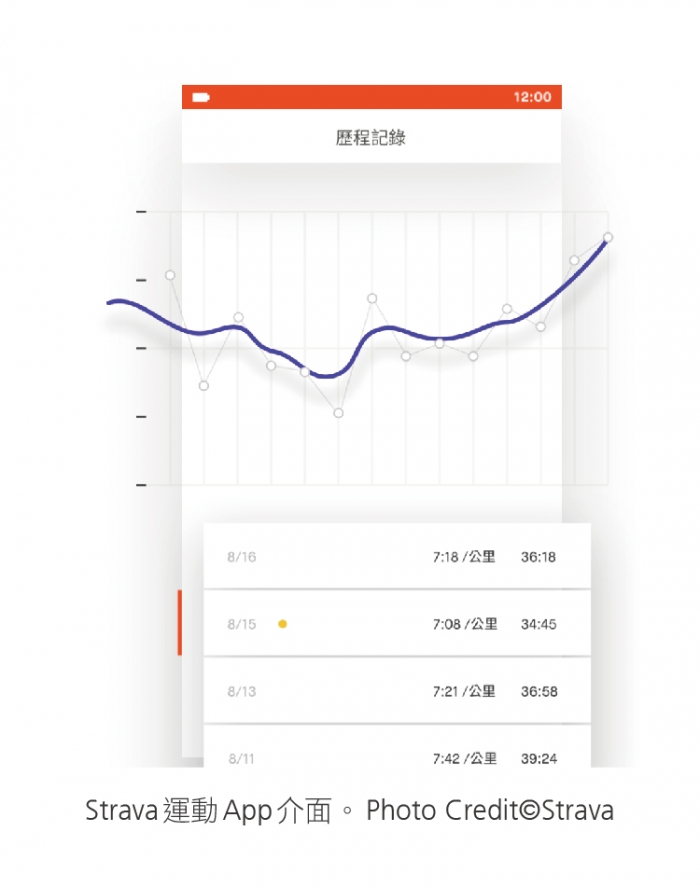
The operating principle of Strava is very simple. It uses the GPS function on the smartphone to allow cyclists to record their riding conditions (including distance, route, exercise time and number of laps, etc.), and can also view their route on the electronic map at any time. In addition, with the help of charts and data, users can know how far and how fast they ride? You can even compete with other users through this platform.
This App has successfully attracted many cyclists. According to statistics, Strava users have recorded up to three million exercise activities per week. But what’s even better is that through gamification mechanism (Gamification), this group of users can not only record their own performance and sports data, but also challenge each other with remote friends.
According to co-founder Ganni, more than 70% of Strava users are located outside the United States. In addition to bicycles, more and more users are beginning to use Strava to monitor the physiological status of running, skiing, hiking, weightlifting, swimming, mountain climbing, surfing, canoeing or yoga and other sports.
Exclusive data payment plan
The founding team of Strava hates advertising, so they adopt a freemium business model. General users can download the app for free, but if they want to use advanced features, they must pay $59 per year. In addition to charging membership fees, Strava also makes money through the sale of sporting goods and the sale of anonymous user activity data that can help understand map information and assist with city planning. This is a service developed using “Heat Map” data and technology, called Strava Metro paid plan: after erasing personal privacy information, it is reorganized and provided to industry, government and related research institutions. It can be called a citizen version of geographic information system (GIS).
Looking at the entrepreneurial circles at home and abroad, this is undoubtedly a quite novel initiative.
Another co-founder, Michael Holface, also mentioned, “In addition to quantifying their own sports data, cyclists are generally most concerned about safety issues, especially in busy urban areas around the world. How to ensure everyone’s riding safety is also a very important issue. Therefore, we plan to provide a new route planning method through [Strava Metro] (https://metro.strava.com/), hoping to assist the operation of public departments and work together for the safety of riders!”
User-created GPS graffiti
It has only been eight years since Strava was founded, but it has successfully attracted many fans. I think the most critical thing is that it connects sports fans from all over the world through the App and turns individual sports into a social experience. They want everyone to know that even if you exercise alone, you will never feel alone again! What’s interesting is that in addition to helping users record sports and fitness data, Strava has also developed a graffiti art culture called “Strava Art” in recent years.

For example, there is a Canadian cyclist named Stephen Lund (Stephen Lund), who is one of the many Strava artists in the world. Since November 2015, he has used a bicycle and a computer equipped with GPS to create GPS Doodles with his own style through Strava.
He would draw a route in advance every time, and then choose a nice and sunny day to ride his bicycle. Then he would upload his cycling trajectory to Strava, and the system would automatically display these trajectories into incredible works of art, such as birds, big dogs, Santa Claus, tanks, etc.
For him, riding thousands of miles to create a picture not only achieved the purpose of exercise, but also used the concept of gamification to complete the creative task crazily. If readers want to see more works, you can go to his website to find out!
According to statistics, the number of Strava users is growing rapidly at the rate of 1 million new users every 30 days. Mark Ganni said: “We bring together sports-loving partners from all over the world through an App, so that these friends can compete with each other or engage in social interaction. Doesn’t it sound great?”
★ Featured image source: StockSnap
★ Article source: This article was originally published in the November 2017 issue of “English Island” magazine
★ Want to build your personal brand? Come and sign up for the “Personal Brand Management Practice” online course.