When AI Became My Editor: How a Creator Used AI to Revive Content Plans That had Been Shelved for Years
Just like you and I, when we open our eyes every day, the world has a new model, a new function, and a new term - the speed of AI is too fast for people to worry about, but also too fast for people to be excited.
But I want to help you dispel a myth first:
AI tools are not the prerogative of managers, nor are they exclusive to people with information backgrounds.
If you are willing to admit that you don’t understand and get stuck, then you are already closer than many people to being able to use AI. Because in the AI era, the real watershed has never been whether you can write programs, but whether you have curiosity and the ability to act to keep up with your curiosity.
I often say:
Tools will always be changed and updated, but they will always make you feel anxious; but what a person can really reap the dividends of technology is often the thinking model in his head - how you deconstruct problems, how you make requirements, how you design processes, and how you iterate.
If you think of AI as a glowing toy, it can only bring you warmth for three minutes; if you think of AI as a reliable assistant, it will start to remove the stones that have been weighing on your shoulders for many years.
Pearls scattered on the ground
One of the things that I feel most deeply about is the seemingly small but actually very torturous task of sorting out old manuscripts.
I believe many creators know that feeling: you have written many articles, produced many works, and even accumulated considerable voice and influence, but your content is like pearls scattered on the ground - they are precious, but they are not on the same necklace.
For a creator like me who is accustomed to writing and has been writing for many years, the works are often scattered in many places: some are in media columns, some are on cooperation platforms, some are on blogs that I have used before but have since stopped updating; some are even hidden in the backend of a website where you almost forget your account and password.
So I had an idea very early on: to sort out these scattered manuscripts one by one, rearrange and rearrange them, and let them return to their home base - my own website, my own content library, my own portfolio.
That is not for the sake of nostalgia, but for capitalization: so that the content is not just published, but can be reassembled, reused, and accumulated influence again.
Why has this matter been shelved?
It’s just that this idea came up repeatedly a few years ago, but I also pressed the pause button repeatedly. The reason is very realistic and typical:
**First, the budget is limited. **
Organizing old manuscripts is not just about moving them, it involves collection, deduplication, classification, proofreading, typesetting, shelving, SEO, internal links, and even adjusting the consistency of tone. If you find someone to do it, you have to spend money; if you want to do it decently, you have to spend more money.
**Second, it is difficult to find suitable editors. **
Not everyone understands the logic and tone of your writing, and not every editor can understand “This article was written for a certain media reader, and now it needs to be moved back to my own website. How to adjust it so that it can be more suitable for long-term storage.” It is not difficult to find someone who can change words, but it is difficult to find someone who “understands you”.
**Third, friends who can help are unable to cooperate due to other matters. **
Friends are willing to help, but friends also have jobs, lives, and their own rhythms. This kind of thing that requires long-term investment, care and patience is most likely to get stuck in the bottleneck of “everyone said it was okay, but it never started.”
Therefore, this idea is shelved - not because it is unimportant, but because it is too important, too big, too time-consuming, and so important that you subconsciously avoid it.
The situation suddenly reversed
Until the past few years, the situation suddenly reversed.
For the first time, I really realized: “Huh? This can actually be done.”
It’s not that I suddenly became rich, it’s not that I suddenly had a whole lot of time on my hands, it’s not that I suddenly found the perfect person to be my editor-in-chief.
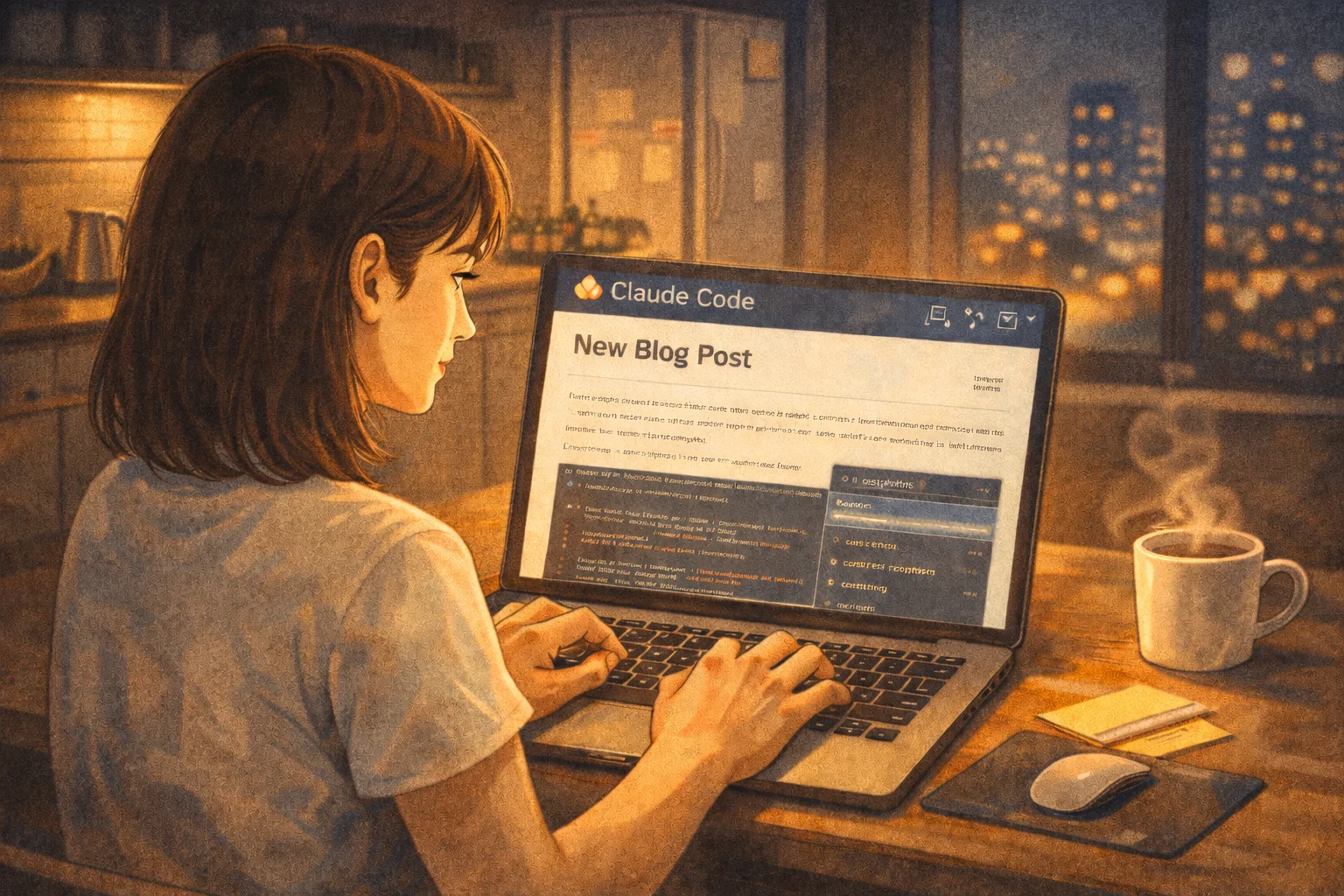
But because - now I have AI that can act as my editor.
This sentence sounds like science fiction, but if you really use it, you will find that it is not as simple as “AI helps you write things”, but that it starts to play a role beside you that you could not afford to hire, couldn’t find, and found it difficult to cooperate with in the long term:
An assistant who won’t complain about getting tired, won’t skip tickets, can match your pace, and will understand you better over time.
The power of AI
I think the power of AI is not that it can do magic, but that it can turn things you couldn’t do into an executable process.
**First, it knows my tone and professional background. **
When you throw your works, articles, speeches, and even common vocabulary to it, it not only “reads” it, but can gradually form a “consistency” the next time you ask it to rewrite, integrate, condense, and extend it. That’s the thing that creators care about most, but has been hardest to outsource in the past: your smell.
**Second, it can understand the submission guidelines (Guideline) I set. **
You can tell it: which words should not be used, which paragraphs should be laid out, the lines should not be filled with a sense of AI, the tone should be like a media column, and the tone should be like a lecturer standing on the stage, keep a little warmth, add cases, and avoid emptiness. What’s more, you don’t have to reteach it every day - you just establish the rules and it becomes like a set of work rules that can be used all the time.
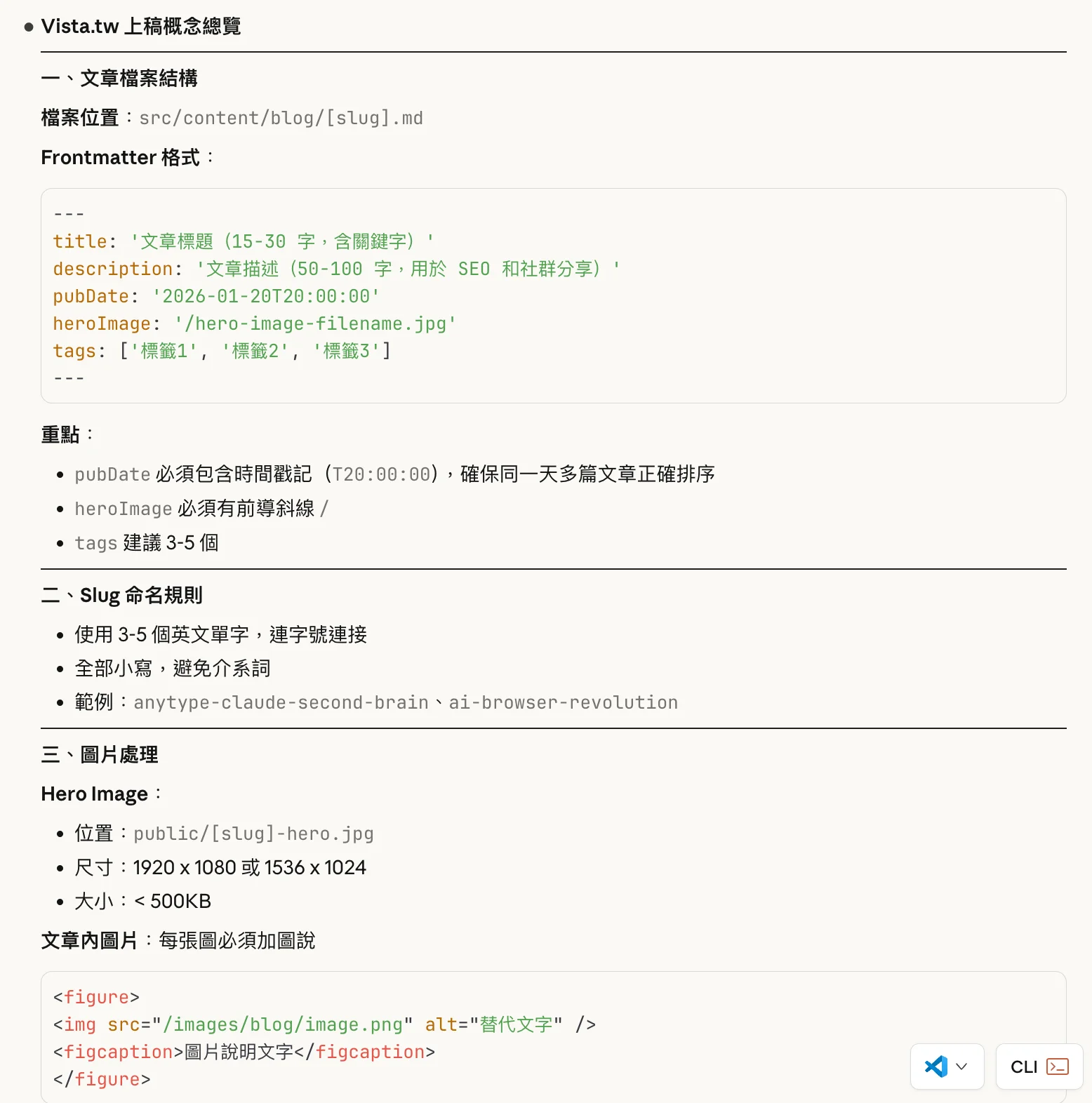
**Third, in just a few minutes, it can help me draw, submit, and typeset, and even add links and correct errors. **
In the past, it might take you half an hour or even an hour to sort out an old manuscript and put it on the shelf. This is no exaggeration at all. From finding the original manuscript, copying and pasting, adjusting the format, proofreading, making subtitles, making pictures, adding keywords, adding links, setting categories and putting abstracts… every step is not difficult, but in total it is a very thoughtful and time-consuming task.
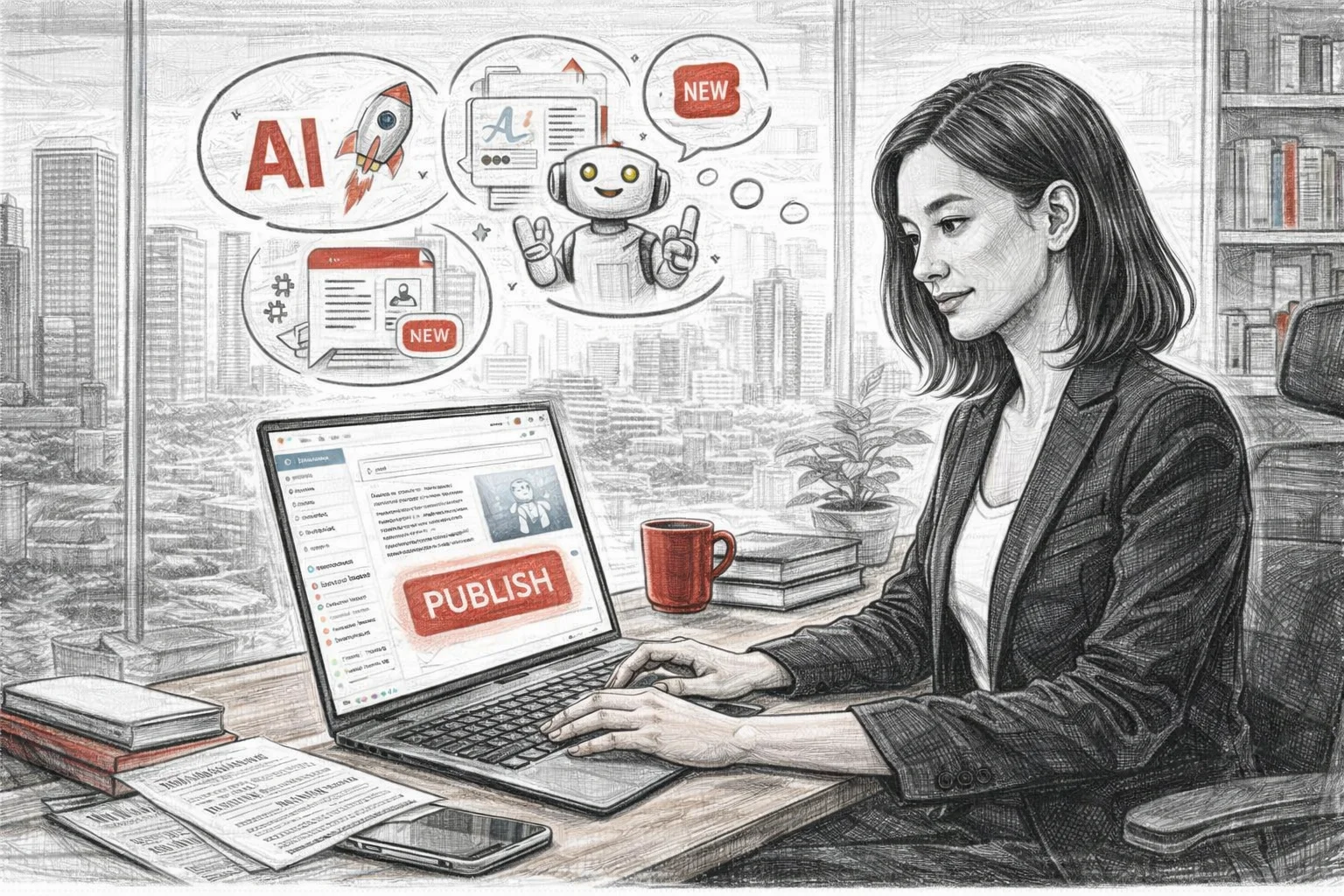
Now, what AI allows you to do becomes giving instructions, fine-tuning, confirming and releasing. To put it simply, you only need to open your mouth to divert all your energy from repetitive work and return to what you really should do, which is: thinking, decision-making, judgment and creation.
I have to say, this is really amazing and something I could never imagine in the past.
The real difference is in you
But I also want to add a more crucial lesson:
Of course, this is not just because the AI tool is very powerful, but because you start to use AI in a way that you know how to work better.
Granted, the AI won’t actively make you stronger; it just puts the possibility of becoming stronger in your hands.
The real difference is whether you’re willing to be curious, willing to give it a try, and break down something you originally found troublesome and let AI come in and take over part of it.
When you start doing this, you will slowly discover a very fascinating phenomenon: you are not pushed by the tool, but you regain the control - you start to be able to do things that you wanted to do but couldn’t do in the past at a lower cost and in a shorter time.
And that feeling is the real technological dividend in the AI era:
It’s not that you learn a new tool, but that you can finally put those delayed, suppressed, and shelved plans in your life back on the table, and then—get them done.
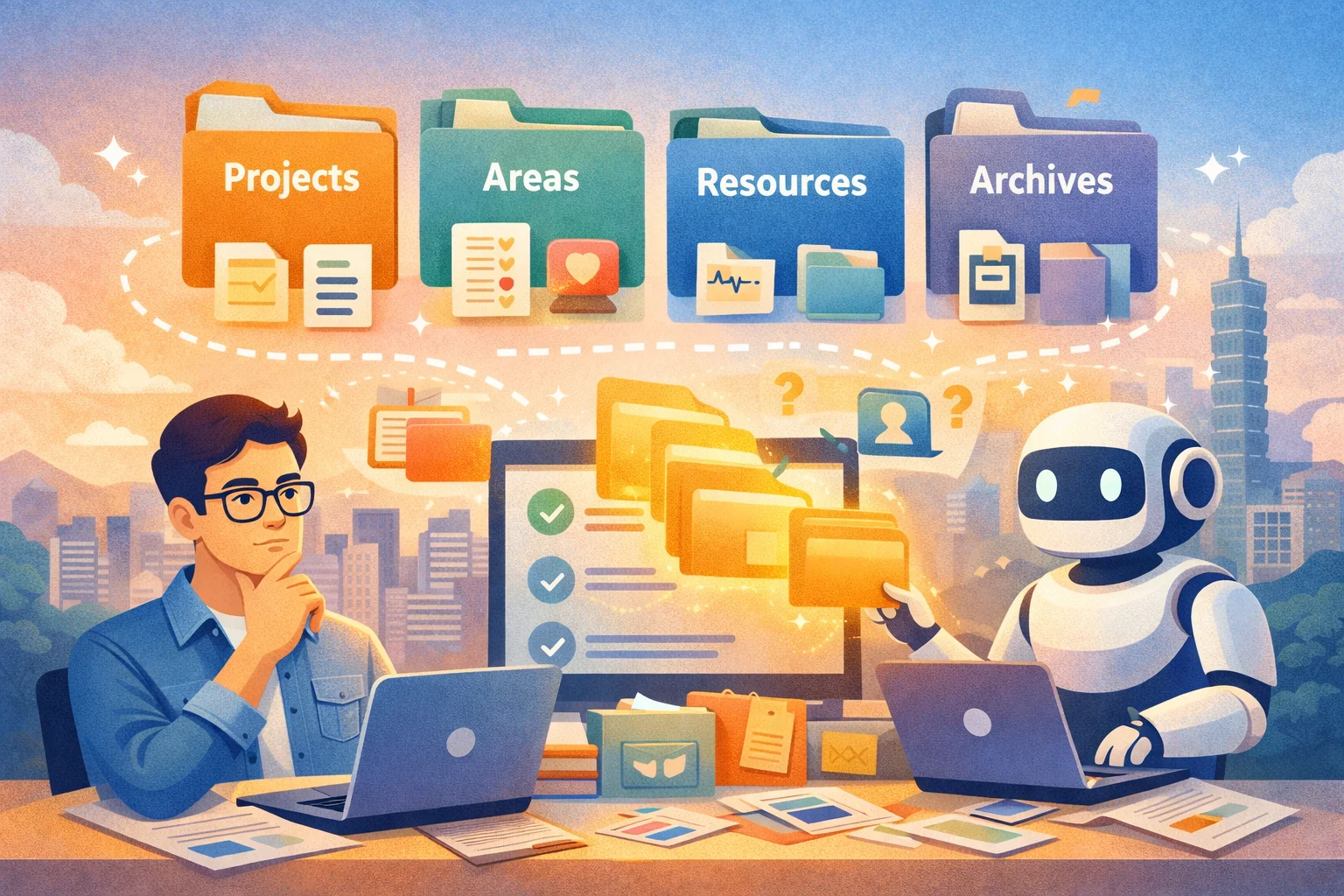
If you also want to start using AI to organize your own content assets, you might as well start with Building your own knowledge management system, so that the scattered pearls can finally be strung together into a sparkling necklace.
Further reading
- Anytype + Claude: Create an AI-driven second brain to make your notes come alive
- Stop “reading hard”, AI is rewriting your reading efficiency and knowledge absorption method
- Lecturer’s Digital Asset Management Technique: Use AI to turn teaching experience into a compounding system
- With multiple interests, how can you turn “wanting to learn everything” into a unique advantage?
- A cruel watershed in the AI era: Why has the income of 95% of freelance workers been cut in half, while the income of 5% has doubled?