Creator Marketing 3.0: From One-Off Exposure to a Brand Growth Engine
🚀 Originally published in Economic Daily News
TL;DR: The 2026 paradigm shift in creator marketing — from “find influencers, run posts” to a complete “discover → co-create → convert” funnel. Three forces are driving this: platform mechanics, consumer behavior, and brand investment strategy. What brands should do is not hire more influencers, but start treating creators as strategic partners rather than billboards.
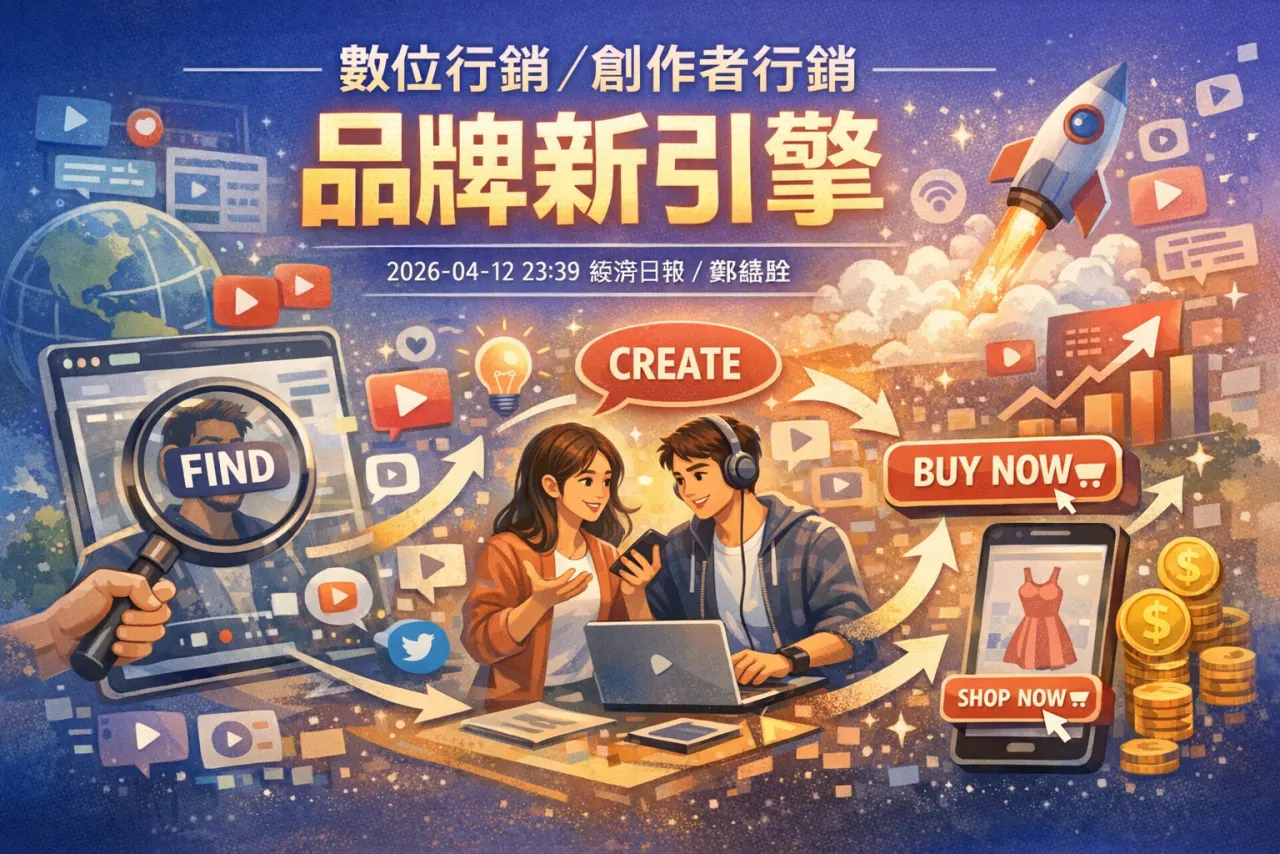
Heading into 2026, the real change in creator marketing is not that the roster of collaborators has expanded. It is that the entire operating logic has changed. It is moving from endorsement deals to a complete commercial system: first, get discovered. Then co-create content. Then turn attention into purchases.
This is not rhetorical packaging. It is the result of three forces pushing in the same direction: platform mechanics, consumer behavior, and brand investment strategy.
IAB’s latest data shows that US brand spending on creators reached $37 billion in 2025 — a 26% jump. More than the headline growth, that number means companies are redefining the ROI of influence, moving trust and resonance away from traditional media and toward individual creators.
It is not just budgets getting bigger. It is platforms actively redesigning how creators participate in purchase decisions.
Google has been clear: today’s consumers move fluidly between search, streaming, scrolling, and shopping. Younger audiences in particular are not passive recipients of brand stories. They want to participate, remix, and finish the content alongside creators. That means brands can no longer treat creators as billboards. They have to see them as a critical node in the consumer decision path.
Among US Gen Z viewers surveyed, 79% trust recommendations from YouTube creators and 74% believe creators provide the context and expertise that helps them make buying decisions.
Step 1: Discover
It is not that brands decide who to pick first. Brands first have to understand where consumers are, through whom they find products, and in what format. In Google’s 2026 commerce trends, YouTube has been the most-watched streaming platform in the US for nearly three consecutive years, and creators are accelerating the move from passive browsing to purchase.
What audiences want is content that feels like real experience, like a friend’s recommendation, like someone who actually gets them.
Step 2: Co-create
Co-creation does not mean handing a creative brief to a creator and asking them to read from a script. It means the brand provides strategic direction and the creator reinterprets it in their own language, rhythm, and content vocabulary. Google explicitly noted in its 2026 report that younger audiences are looking for participatory creation. That is why many high-polish brand-produced ads do not outperform creator content — the polish is the wrong axis.
Because what audiences want today is content that feels like real use, like a friend’s recommendation, like someone who actually understands them.
Step 3: Convert
This is what is most different in 2026. Creator partnerships used to stop at exposure. Now platforms are actively wiring creator content into commerce infrastructure.
For example, Google is building AI-driven creator discovery tools that move creator videos from “watch” to “consider” to “buy.” In other words, the platform itself is shortening the distance between “saw the content” and “completed the purchase.”
Many companies are still stuck in the old frame of “find an influencer, run a post.” The actually effective move is to fold creators into the full growth funnel: discovery at the top, co-creation and trust building in the middle, conversion and sales at the bottom. Done that way, creators are not spokespeople. They are your external content editors, context designers, and conversion drivers.
The next phase of creator marketing is not about who is more famous. It is about who can turn trust into action.
At the end of the day, when platforms are stitching content, recommendation, product, and buy-buttons together, any brand that still treats creators as a one-off exposure tool will find the results mediocre. But a brand that treats them as end-to-end partners in “discover, co-create, convert” turns creator marketing from a reach business into a real revenue engine.
5 Actions Brands Can Take Right Now
If you are on the brand side running creator marketing, here are the five things you should adjust as you enter Q2 2026:
- Redefine collaboration KPIs. Stop looking at reach and engagement alone. Track the full funnel — reach → on-site search → add-to-cart → purchase — and attribute creator contribution per stage.
- Replace sponsorship briefs with co-creation playbooks. Provide strategic direction, brand voice, audience insights, and a list of “do not touch” zones. But hand content format, narrative rhythm, and personal style entirely back to the creator. The read-from-script era is over.
- Wire creator content into commerce. Enable native commerce features: YouTube Shopping, TikTok Shop, Instagram Creator Marketplace. Shorten the path from “saw the content” to “completed the purchase.”
- Prioritize AEO-friendly creators. Long-form and series content that can be cited by ChatGPT, Google AI Overview, and Perplexity has a longer half-life than one-off short videos. When choosing creators, look for structured content with enough context for AI to extract.
- Adjust the creator mix dynamically. Top-tier (brand trust), mid-tier (conversion efficiency), micro (community depth) — the mix should not be static. It should shift with the funnel target of each quarter. Top for discovery, mid for co-creation, micro for conversion.
The common thread across all five: turn creators from a cost center into a revenue partner. Budget allocation should shift too — from “one-shot campaign fees” to a combination of “long-term relationship investment + performance bonus.”
Further Reading
- Complete Guide to Personal Branding in the AI Era
- I Built an AI Content Production Line: One Post Becomes Six Outputs
📖 深入探索相關主題