Lecturer’s digital asset management skills: Use AI to turn teaching experience into a compounding system
If you are like me, a person who eats with one mouth - a corporate lecturer, coach, consultant - you must understand the contradiction.
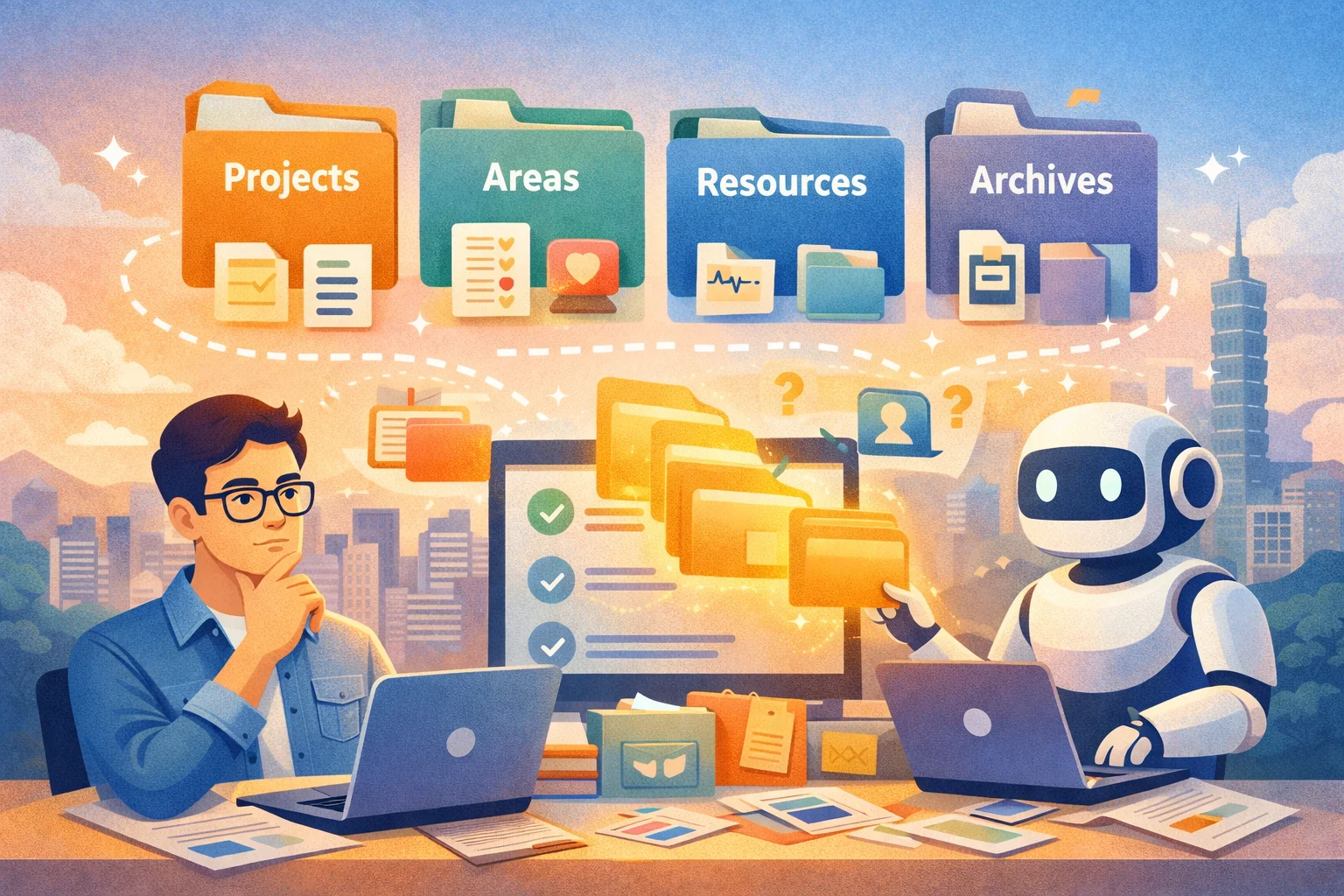
On the one hand, we attach great importance to professionalism: every handout, every slide, or every after-class supplementary material is polished by ourselves who stayed up late. On the other hand, we are pushed by time: as soon as the class is over and the case is over, the next task chases us, and time feels like it has been stolen. So those files are like a pile of trophies that have not yet been sorted out. They are stored in a certain folder on the computer for comfort, and will be sorted out one day when I have time.
The result? The computer hard drive is becoming more and more like a warehouse covered with spider webs: the unnamed final_final_v8.pptx is piled in the corner, the after-school folder of a certain company is lying on the desktop, and there is also a huge folder called “temporary storage” in the cloud, which contains myself who can never wait to be sorted out.
The moat of a lecturer is not how well he speaks, but whether he can generate compound interest.
I have also had the idea to organize those teaching files, customer cases and handout materials. It’s not because I have mysophobia, but I know very well that the real moat of a lecturer is not how wonderful your lectures are today, but whether you can turn these wonderful things into a replicable system.
But to be honest, that thought often only lasts three minutes. Because when I think about categorizing, naming, filing, writing notes, and indexing, I start to get tired. What’s more, the cruelest fact in our industry is: the busier you are, the less time you have to organize; but the less you organize, the easier it is to be overwhelmed.
I remember seeing Xie Wenxian (Brother Xian) accurately record his teaching hours, speeches, partners, and even some teaching experiences on Facebook. Well, I really admire that kind of self-discipline in managing life as a project.
I couldn’t help but wonder: How did he do it? Do you open the Excel record immediately after every get out of class? Or is there an assistant on hand to assist? Or perhaps, he has actually established a lecturer operation system long ago - so that recording does not require willpower?
I have never had the opportunity to ask Brother Xian for advice on this issue.
But today in 2026, things suddenly become different. Because we have a new partner, the AI helper.
The true value of AI: Translating experience into assets that generate compound interest
The most fascinating thing about AI is not that it can write copy, design briefs, or help you correct typos - those are just superficial skills. What really changes the rules of the game is that it can re-translate your past experience into a set of assets that are usable, inheritable, and can generate compound interest.
In other words, you used to get a reward after taking a class; now after you take a class, if you are willing to hand over the materials to AI for sorting, you will get two things: an income, plus a teaching asset that you will grow up with.
Moreover, this matter no longer requires you to stay up late to sort it out, nor does it require you to force yourself to sort it out when you have time. You only have to do one thing: hand over the information and let AI help you do the part you hate the most and are easiest to procrastinate.

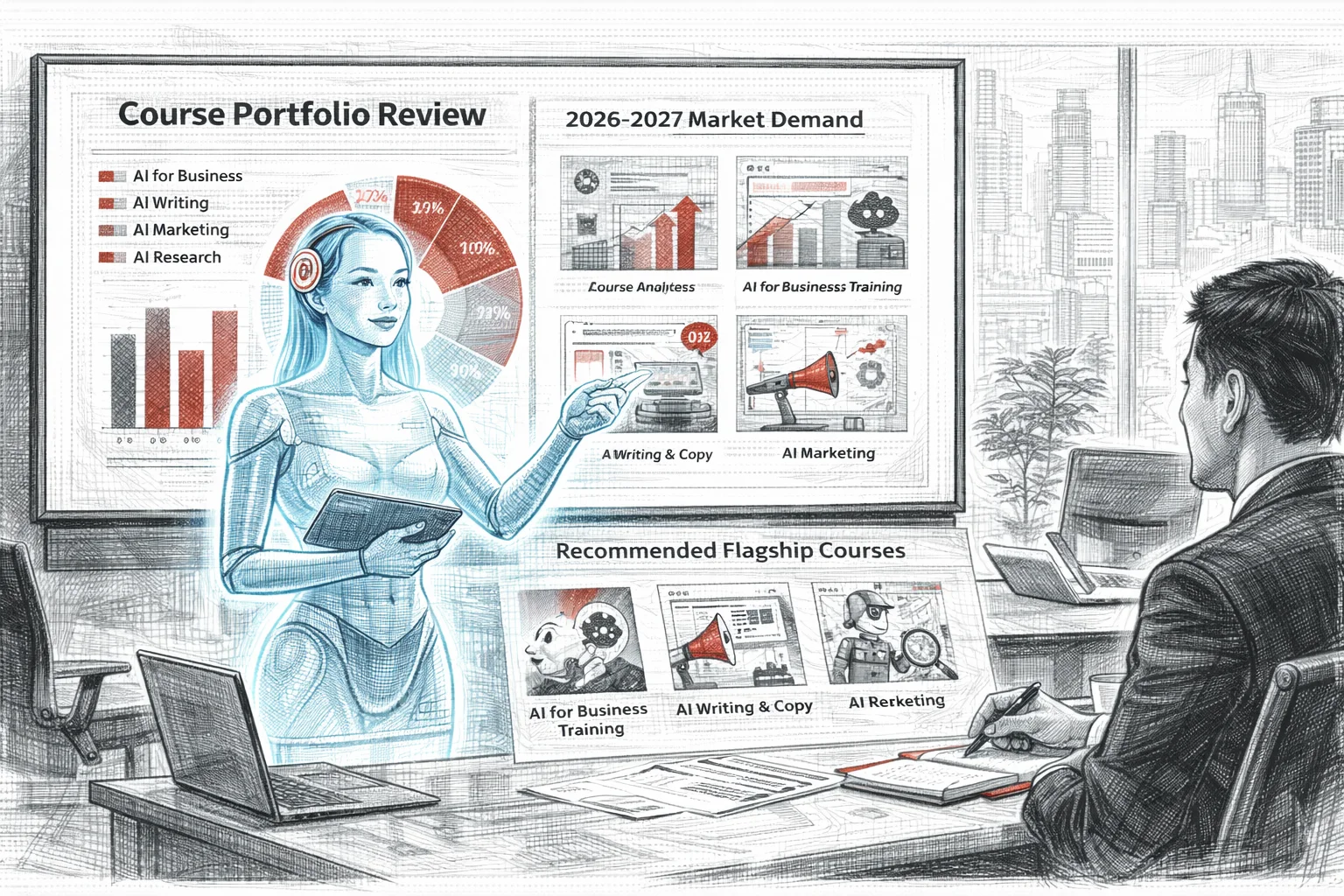
For example, what I do is actually very simple. I just told AI: “Analyze, what courses did I mainly teach in the past? And make a briefing to help me organize and recommend several main courses that can be opened in the future based on the training needs of the Chinese market in 2026-2027.”
Then, I really did something very luxurious: make a cup of coffee and sit by the window in a daze.
Five minutes later, it gave me a report that was so decent that it gave me goosebumps: it first broke down the content of my past lectures into several main axes, then mapped each main axle to possible market demand, and then extended it down into several main course lines that could be developed. It even writes out the course positioning, audience profile, course packaging method and upgrade path.
Extended reading: Freelance worker survival guide in the AI era
The moment I saw it, I was really surprised: AI actually understands me so well?
But when I think about it calmly, I realize: It’s not that AI understands me, but that I am finally willing to spread myself out and let the system see it.
Organizing is not for beauty, but for decision-making
What’s more important is: when you start doing this, you will suddenly understand something that was easily overlooked before - organizing is not for beauty, but to make your decision-making easier.
Once you have compiled your past courses, projects, customer needs and student feedback into information, you can start to do what lecturers or consultants should do but most people can’t:
- You will know which of your courses are most frequently invited, most likely to be closed, and most likely to be renewed
- You will see which industries are most friendly to you and which customers are most willing to pay high prices
- You can even see your peak and off-peak seasons from your teaching records, so you can plan ahead instead of cramming at the end of every year.
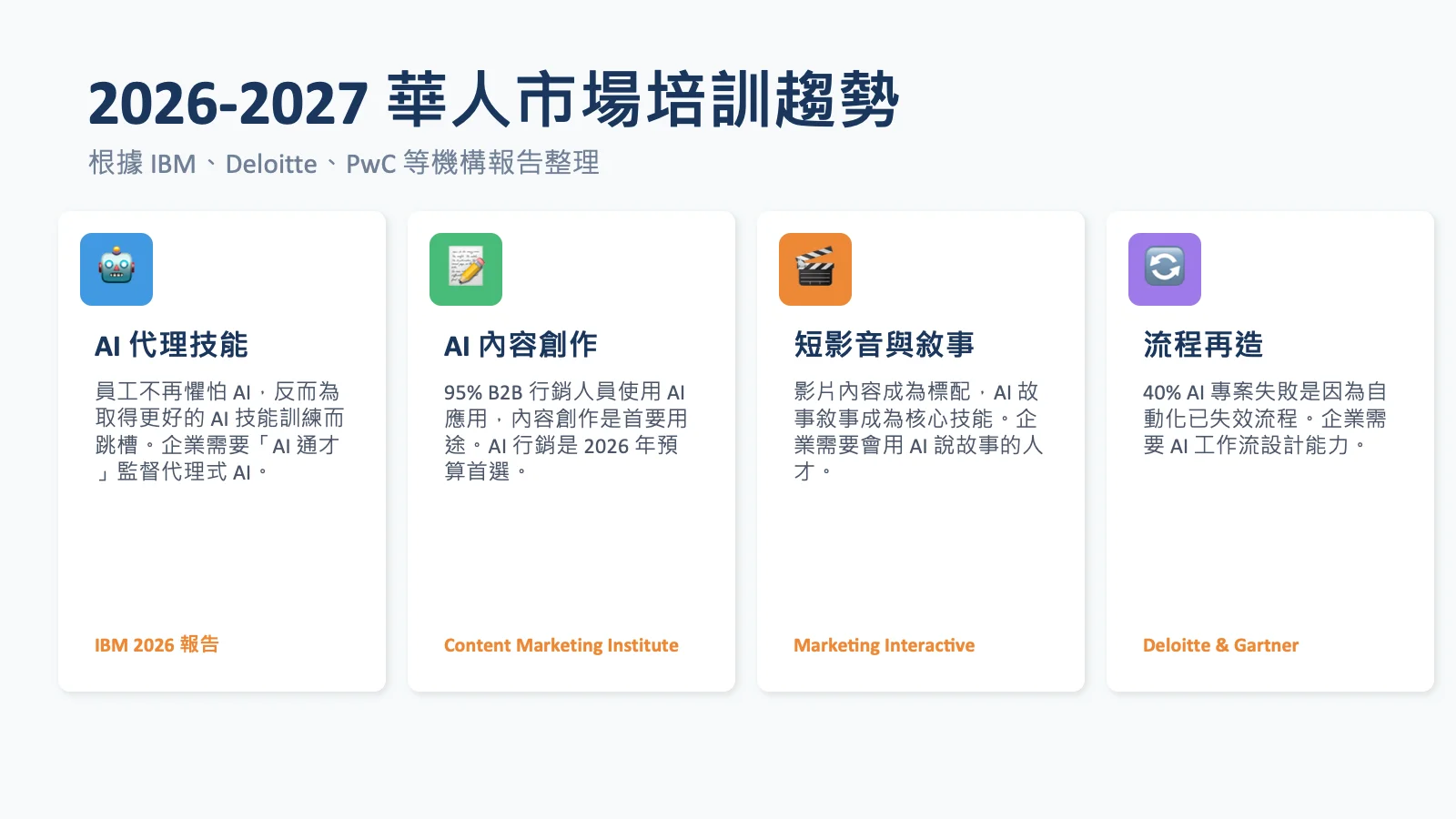
I’m not imagining this. Because looking at the external environment, the market is forcing every knowledge worker to upgrade themselves into a sustainable learning system.
Signals from the external environment: Skill changes are accelerating
For example, the World Economic Forum’s “Future of Jobs Report 2025” mentioned: Employers expect that by 2030, 39% of key workplace skills will change. In the survey in early 2026, there was also a very direct signal: 80% of the respondents believed that AI would affect their daily work.
Look, what does this mean?
It means that enterprises will become more and more anxious, more and more anxious, and more and more eager to find people who can solve problems immediately. As a result, the training market will also change: from listening to a speech to introducing a set of capabilities into the company, from learning concepts to learning processes, and from one-day courses to implementation-oriented training camps.
All this is echoing LinkedIn’s “Workplace Learning Report 2025”: the report focuses on career development and learning culture, and specifically highlights that generative AI is becoming an important driving force for learning and transformation.
Further reading: Can you use AI to write? The key is how you ask
So, coming back to us lecturers, coaches, and consultants, I think maybe it’s not the lack of topics, but the lack of operating systems that turn topics into compounding assets.
Three more popular course types in 2026–2027
I increasingly believe that the main courses in 2026-2027 will not be the kind of courses that end after the lecture, but may be the following three more popular types:
The first type is the “AI implementation type”: instead of teaching a tool list, departments are taught how to write AI applications into daily processes, including templates, SOPs, permissions, quality control, and even how to avoid misuse. You’re no longer just selling courses, you’re selling the certainty of increased productivity.
The second type is the “management and communication upgrade type”: As AI becomes more powerful, people need to collaborate more. What supervisors need to learn is how to make faster decisions, coordinate across departments, and lead teams to face changes. Having said that, this is why discussions on leadership training in the market are increasingly focused on management capabilities in the era of digital decision-making and AI.
The third type is “high-level skills compound interest”: writing, proposals, briefings, negotiations and strategic thinking - these seemingly old-school skills are becoming more and more valuable. Because when everyone has AI, what really widens the gap is whether you can use AI to amplify your thinking and turn your output into a system?
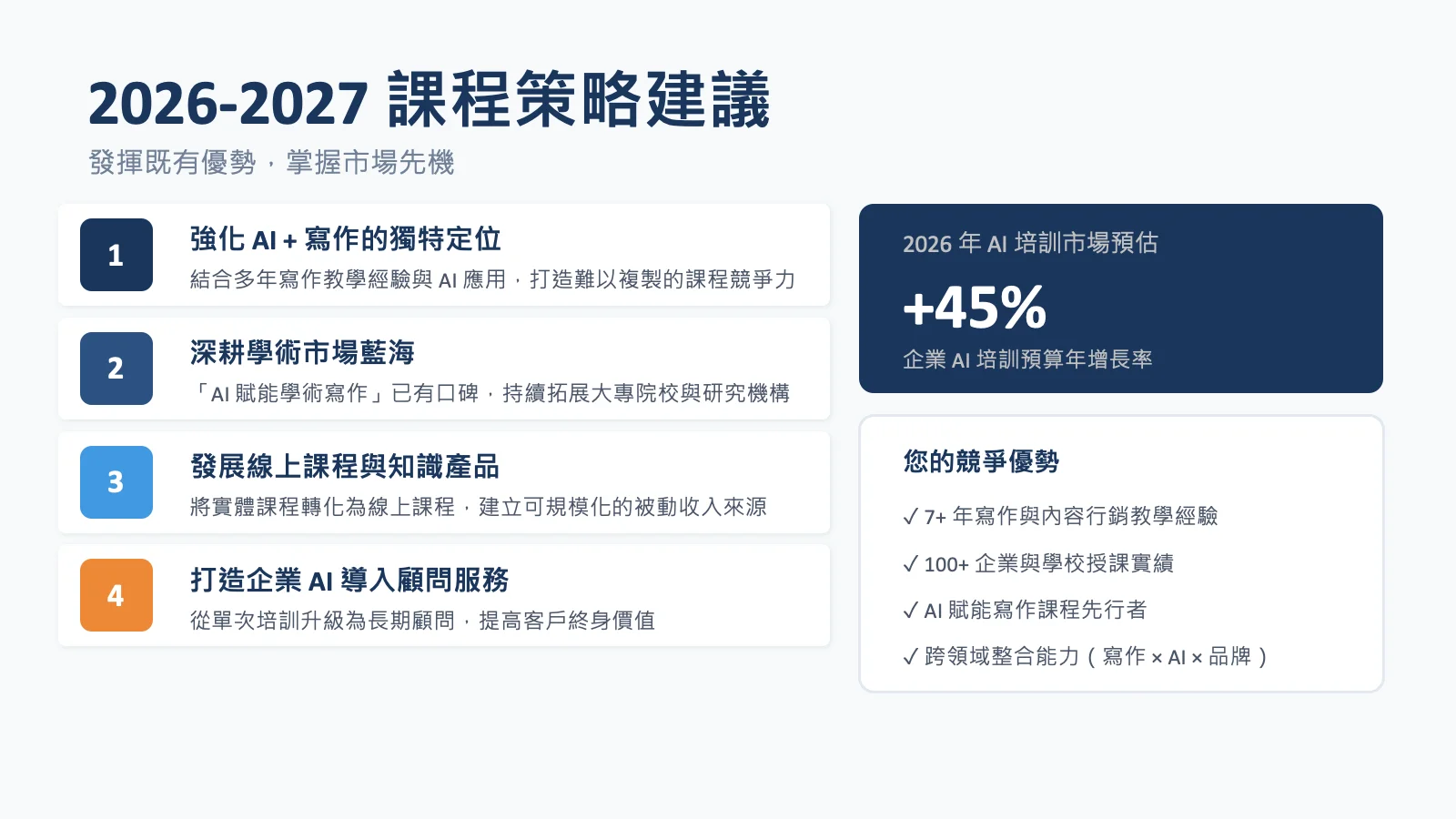
Having said that, these three types of courses have one thing in common: they all require you to organize your past experience into structured data so that you can quickly iterate, productize and copy quickly.
Organizing is a form of respect
In the past, I always thought that organizing was a kind of hard work. Later I realized that organizing is actually a kind of respect: respecting the path you have traveled, respecting the learning behind each lecture, and respecting those you have helped.
What’s more, the most romantic thing about our profession is that every time you teach something, you leave a spark in someone’s life. And if you are willing to sort out these sparks, you will become more than just a lecturer—you will become a system that continues to shine.
So, when I looked at the AI output briefing again, I didn’t just think AI was awesome. I take this as a reminder:
It turns out that it’s not that I can’t organize, I just lack a lever to pull me out of fatigue.
In 2026, this lever will be called AI.
Extended reading:
- When AI makes answers cheap, what’s really valuable is whether your questions are accurate enough
- Copywriting power is your “cashability”: before turning ChatGPT into a godly teammate, you must first make yourself stronger
- Vista in-house training services
Further reading
- The beauty and sorrow of PM: In the AI era, will product managers be replaced or forced to upgrade?
- Profit Awakening of Knowledge Workers: From Cash Flow Thinking to Survival Rules in the Micro-Organization Era
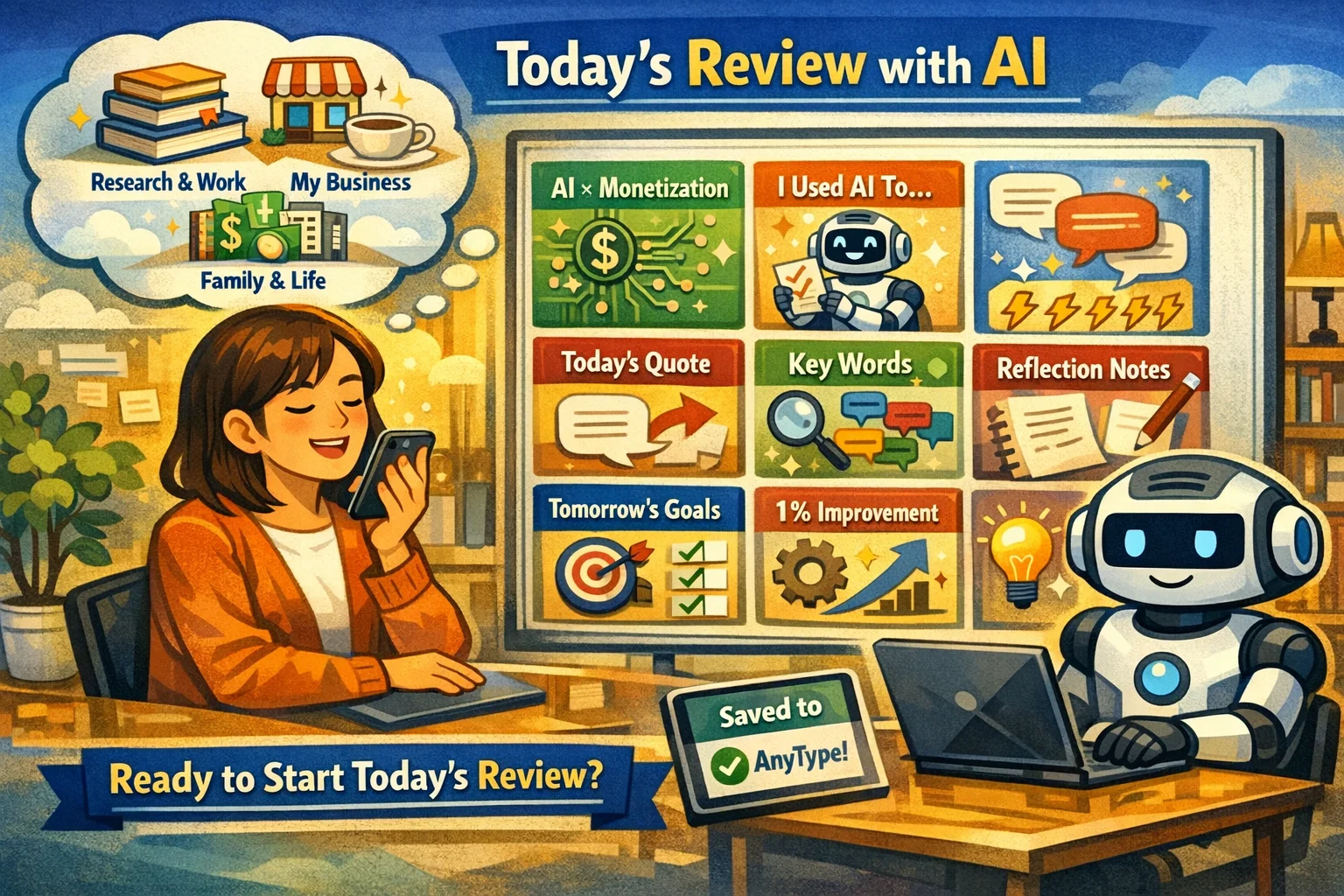
- Podcast note-taking: 6 steps to build a content flywheel with Podwise + Anytype