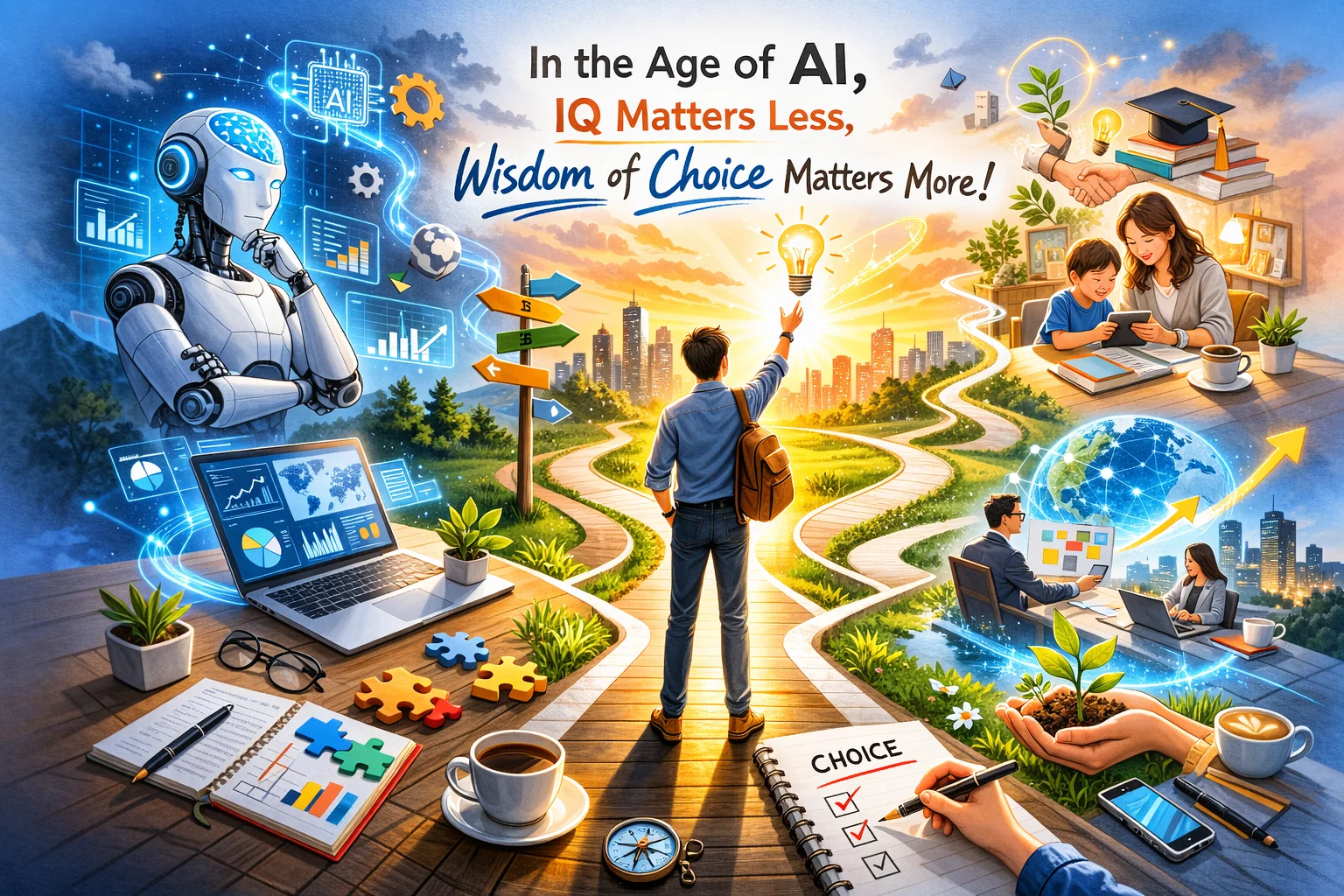
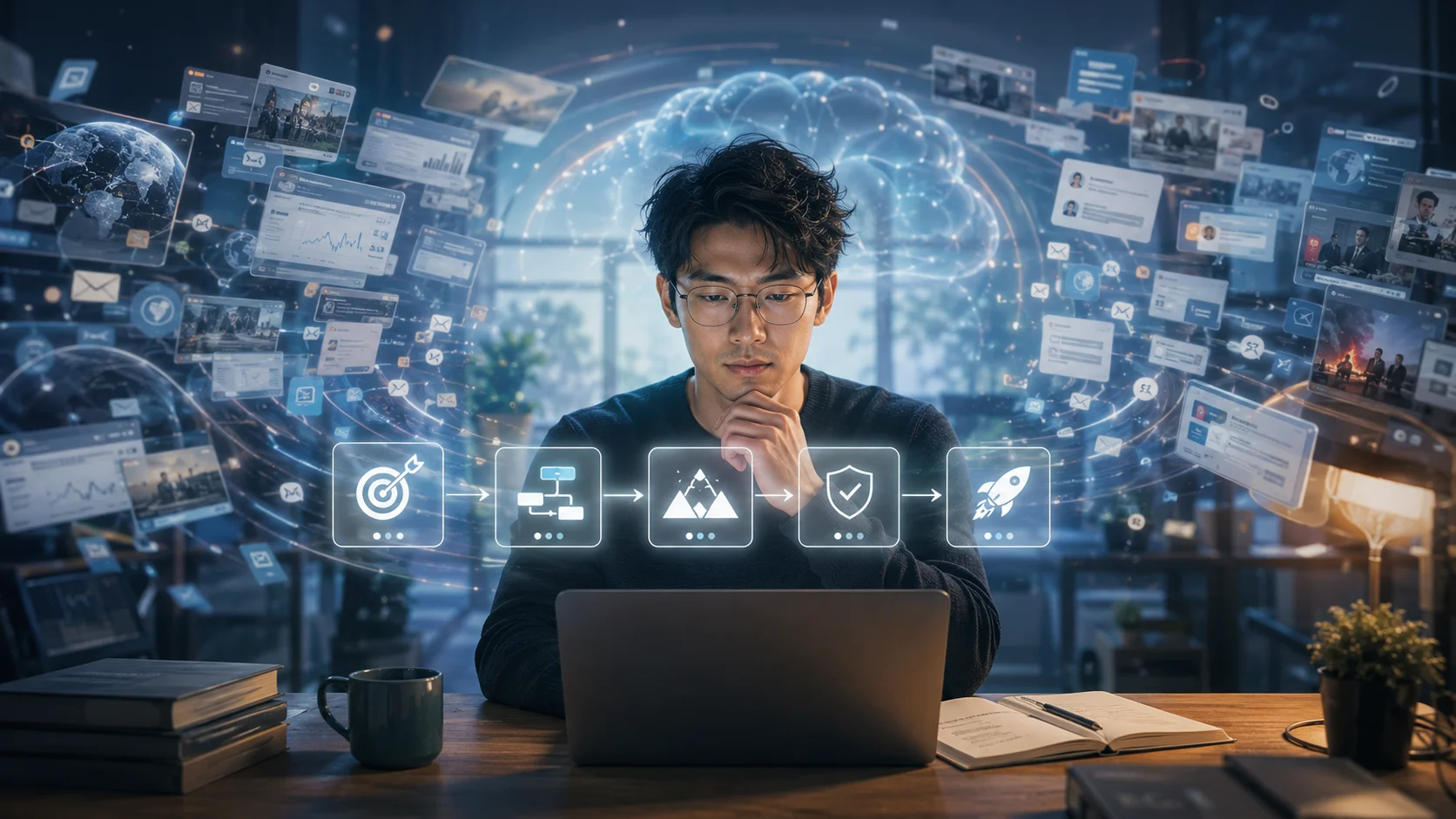
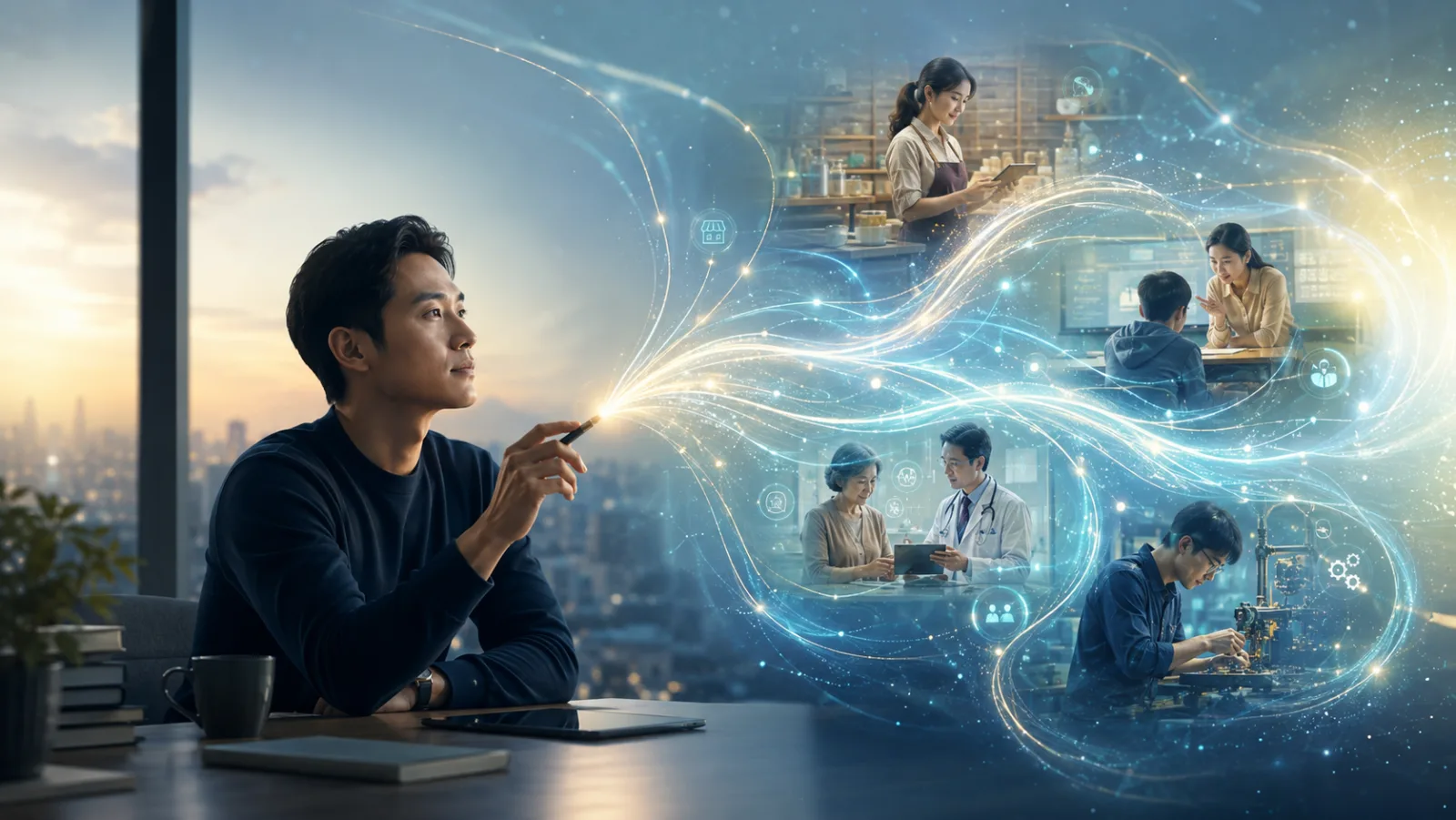
When the answers become easier and easier to get, we need to learn to understand ourselves even more - I recommend Teacher Song Yihui's "Life Reading Lessons That Schools Don't Teach"
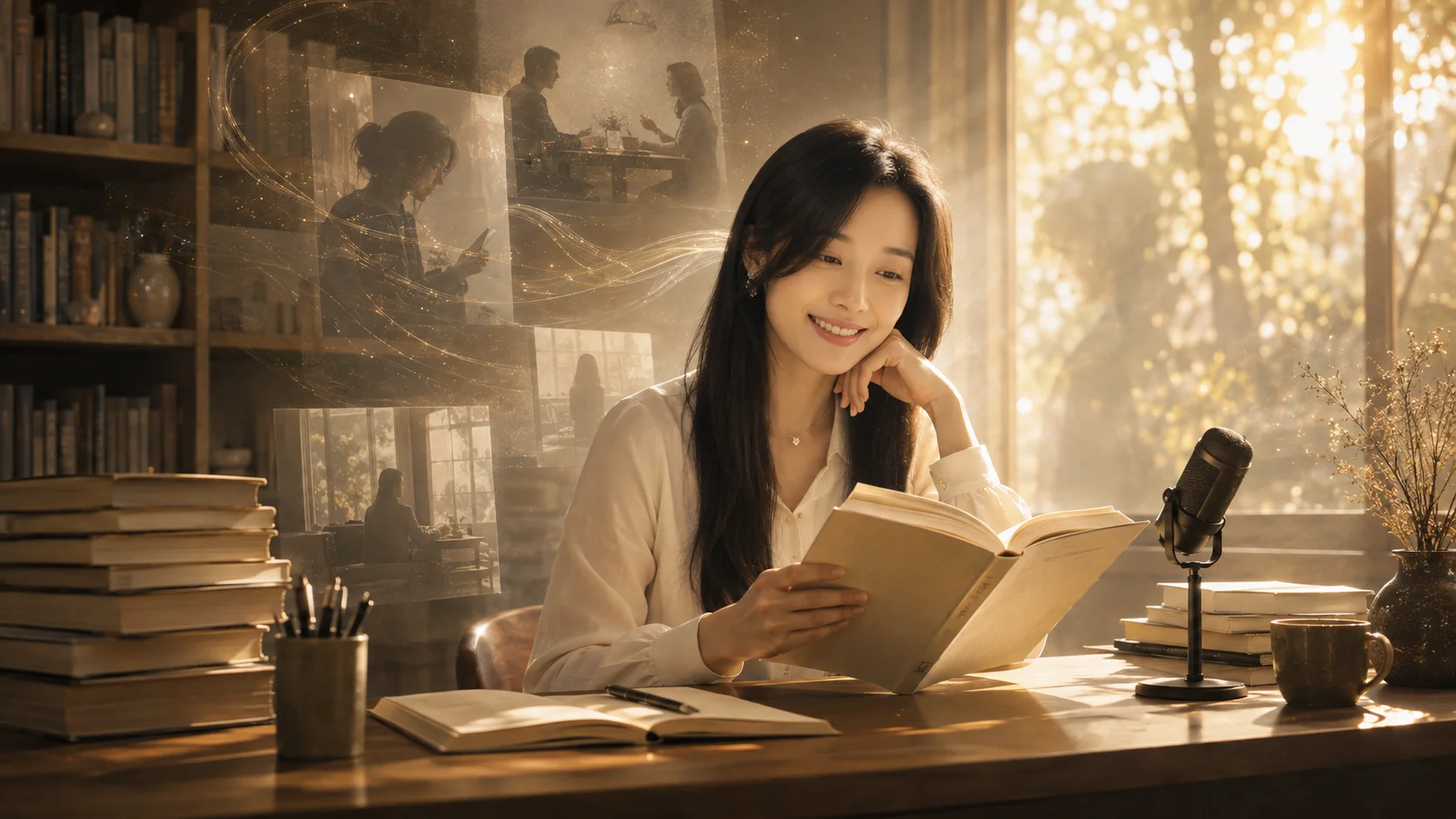
I always remember that I invited teacher Song Yihui to come on my podcast program “Vista’s Little Voice” a few years ago, and we chatted for a long time.
The theme of that episode was her new book “One Stroke into the Soul: Teacher Yihui’s Creative Life Lessons (opens in a new tab) published at the time.
I originally thought that we would talk a lot about how to write. As a result, while chatting, I found that what is really interesting is why a person can keep writing?
We talked about how she collects inspiration from daily life, and whether creators should believe in a flash of inspiration or rely on long-term accumulation. We also talked about a question that I have always been concerned about: when AI can write better and better, why do people still read? And why write?

Several years have passed, and this problem has not disappeared, but has become more urgent.
Today, ChatGPT can summarize a book for us, Gemini Notebook can help us organize hundreds of pages of information, and various AI Agents can search, compare and summarize, and even generate a seemingly complete view for us.
The speed at which we get answers may be the fastest in human history.
But interestingly, I am increasingly convinced that as answers become cheaper, reading becomes more and more important.
Because real reading is not just about finding answers.
It is to let us know what questions we are asking.
It is also to let us gradually know:
Who am I?
What do I care about?
How do I understand my emotions when I encounter setbacks?
Standing at the crossroads of life, who should I choose?
Facing a person who is completely different from myself, do I have the ability to understand his situation?
AI can discuss these issues with us, but it cannot live them for us. And this was also the first thought that came to my mind when I saw Teacher Song Yihui launching “Life Reading Lessons That Schools Don’t Teach (opens in a new tab).
I have always felt that Teacher Yihui never teaches just reading.
After getting to know Teacher Yihui for a while, I gradually discovered something.
It would actually be a pity if she was only positioned as a Chinese teacher who is good at teaching reading.
What’s really great about her is that she can bring a book back to a person’s life.
Some people read to increase their knowledge.
Some people study for exams.
Some people can remember the three points, five methods, and seven steps the author said after reading a book.
But Teacher Yihui has been doing another thing: she allows readers to see themselves in the book.
The hesitation of a character in a story may make you see your own fears again.
A parting in a novel may remind you of someone you never said goodbye to properly.
A character’s choice at a critical moment in life may force you to look back and ask yourself:
What if it was me?
I think this is the really fascinating part of reading.
Books do not live our lives for us.
But books can allow us to live many kinds of lives before we actually encounter life.
I have always liked this view of reading.
Reading is not about putting other people’s answers into your head, but about borrowing other people’s lives to illuminate your own.
Atomic Reading reminds me of one thing: What really changes people is often not a book
Many people have the habit of buying books.
Buy it home, turn a few pages, draw a few lines, and put it in the bookcase. After a few months, we forget even what we read.
This is actually quite normal.
Because what can really change a person is usually not reading a book. But a certain sentence suddenly stayed on one day.
A certain idea begins to change your next choice.
A certain story will give you a little more understanding the next time you meet a similar person.
Even just small thoughts begin to sprout in daily life.
I think this is where I find the concept of atomic reading very interesting. We don’t have to expect that every time we read a book, our lives will be turned upside down.
Many really important changes are actually small.
Understand yourself a little better today.
Tomorrow I will understand others better.
The next time the mood strikes, wait three seconds before replying.
When encountering something, always ask yourself: “Why did I react this way?”
Over time, these seemingly insignificant changes may reshape a person. Just like we don’t get healthy just because we eat a healthy meal, we don’t instantly become strong just because we go for a run.
Reading is also a kind of long-term compound interest.
What really matters is not that you read a hundred books a year. It’s about how many of those hundred books really enter your life.
I especially like how this lesson puts reading and SEL together.
In recent years, the educational community has paid more and more attention to SEL, which is Social and Emotional Learning. This is a set of education and learning processes that help individuals recognize and manage emotions, empathize with others, build good relationships, and make responsible decisions. It talks about self-awareness, self-management, understanding others, relationships, and how to make responsible decisions.
At first glance, SEL and reading may seem like two different things. But if you think about it, they are actually very close.
Why do we read novels?
Because we temporarily enter another person’s life.
Why do we read biographies?
Because we can see how a person chooses in a difficult situation.
Why do we read literature?
Because those inexplicable loneliness, jealousy, loss, courage and desire have already been written for us by someone.
Good reading is itself a kind of emotional education.
It allows a person who could only say “I’m unhappy” to gradually be able to distinguish:
I’m not actually angry.
I am disappointed.
Or maybe I’m not disappointed.
I’m afraid that I won’t be taken seriously.
These differences may seem small, but they may determine how a person gets along with himself in the future and how he builds relationships with others.
The richer the language, the more nuanced our ability to understand ourselves.
This is probably the core value of reading that I think is least likely to be replaced in the AI era.
AI can help us read faster, but we still have to read deeply ourselves
As someone who is exposed to AI every day and has been teaching AI applications, I certainly will not advocate that everyone go back to an era without technology.
Quite the opposite.
I use AI a lot myself. I will ask AI to find information, organize documents, compare opinions, disassemble books, and even help me think. But the more I use these tools, the clearer I feel there is a line.
AI can help me shorten the time of information processing, but it cannot complete life experience for me.
It can tell me the main story of “The Old Man and the Sea”.
But it doesn’t know what kind of shock will occur in my heart when I read “A person can be destroyed, but cannot be defeated” at any stage of my life.
It can analyze a poem.
But can’t think of someone for me.
It can organize ten key points of a book.
But he can’t decide for me: Which sentence do I really need at this moment?
That’s why I don’t think the advent of AI will make reading lose value.
Quite the opposite.
The more powerful AI becomes, the more we need to know what is worth reading, how to read it, and how to return to ourselves after reading it.
I am very willing to recommend this class to parents and every adult.
Although this class is called “Life Reading Classes Not Taught in Schools,” when I saw the course introduction, my first thought was: this is not just a class for children.
Many adults actually need to learn to read again.
We are so used to being efficient.
To read the article, you need to find the TL;DR first.
When reading a book, first look for a summary of the key points.
Videos are best played at double speed.
Even when we are thinking, we hope that others can organize it into three key points for us.
Over time, we may know a lot of things, but less and less we really stop to ask: What does this matter have to do with me? Why do I believe it? Is the life I am living now a choice of my own?
It would be nice if the reading at the end just left us knowing more.
But if a book can help us better understand ourselves, others, and be more able to make choices, its value has already exceeded the knowledge itself.
So, if you ask me, why would I recommend Teacher Yihui’s class? Not because she has read a lot of books. It’s not just because she has written many books and has been on the front line promoting reading for many years.
But because I believe that she has been doing something very difficult but also very important: bringing books back into people’s lives.
A few years ago, we were on the podcast talking about the creative life. A few years later, when I saw her talking about life reading, I suddenly felt that the two things were actually the same thing.
Reading is bringing the world into yourself.
Writing is to put yourself back into the world.
And in between, we get to know ourselves again and again.
In an era where AI can quickly generate answers for us, I feel that such an ability will become increasingly valuable. Because the real scarcity in the future may no longer be the people who know the answers. But those who still retain the ability to be curious, feel, judge, and understand others. And reading is always an excellent way for us to practice becoming such a person.
I am very happy to recommend Teacher Song Yihui’s latest masterpiece to everyone again.
I also hope that everyone who opens this class will not only learn how to read a few more books, but also slowly understand the world and themselves through one book after another.
Start with a book and practice understanding yourself
If you also want to retain the ability to think deeply, self-awareness and understand others in the AI era, you are invited to join Teacher Song Yihui’s “Life Reading Classes Not Taught in Schools (opens in a new tab)”. Let reading not just stay on the page, but truly enter your daily life and life choices.
Learn about the course and start learning now (opens in a new tab)
Next step
Bring this topic to your team
Vista Cheng speaks and runs workshops on AI workflows, writing and content systems for companies, schools and public agencies.