Use Vibe Coding to help music teachers create personal websites: let the profession be seen, believed and chosen
This afternoon, I made an appointment with a music teacher to meet at a coffee shop. Over coffee, I taught her how to use AI to design her own website.
Looking back now, this meeting was very interesting because it was not the kind of one-way teaching, but a very real hand in hand with AI to make things together.
In fact, she came to my Vibe Coding course last time. After a while, she had more ideas about her personal website, so I walked her through the entire process: first, she transformed the needs in her mind into a website structure that could be implemented, and then handed that structure over to AI and tools to gradually grow a personal website that could be used, viewed, and recruited.
What makes me happiest is not only the speed of website design, but also the self-breakthrough of music teachers. It is true that in the AI era, websites no longer need to wait for engineers to schedule, outsource and communicate back and forth for weeks.
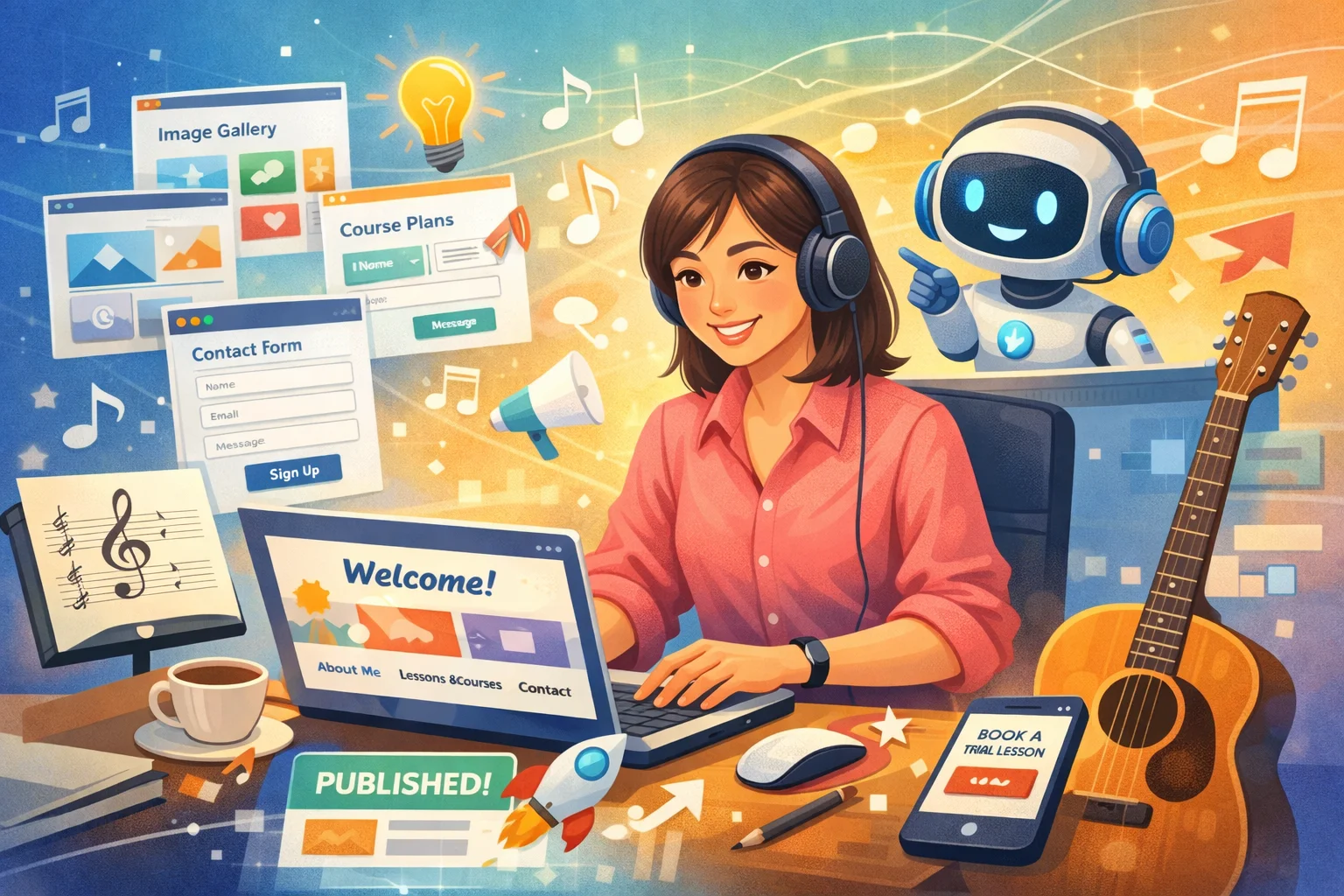
So, this afternoon, we started with a simple idea. In just one afternoon, her personal website took on a new look: the homepage has a clear self-introduction, the service projects are organized into plans that can be understood at a glance, the works and performance experience have sections for display, and even the admissions and contact units can have forms or buttons.
At that moment, I watched her expression change from a somewhat uncertain expression to “Oh, I really did it!” To be honest, I feel very accomplished myself. Because the essence of this matter is not just to make a website, but to allow a person with no programming foundation but strong professionalism to truly have the control to present himself to the world for the first time.
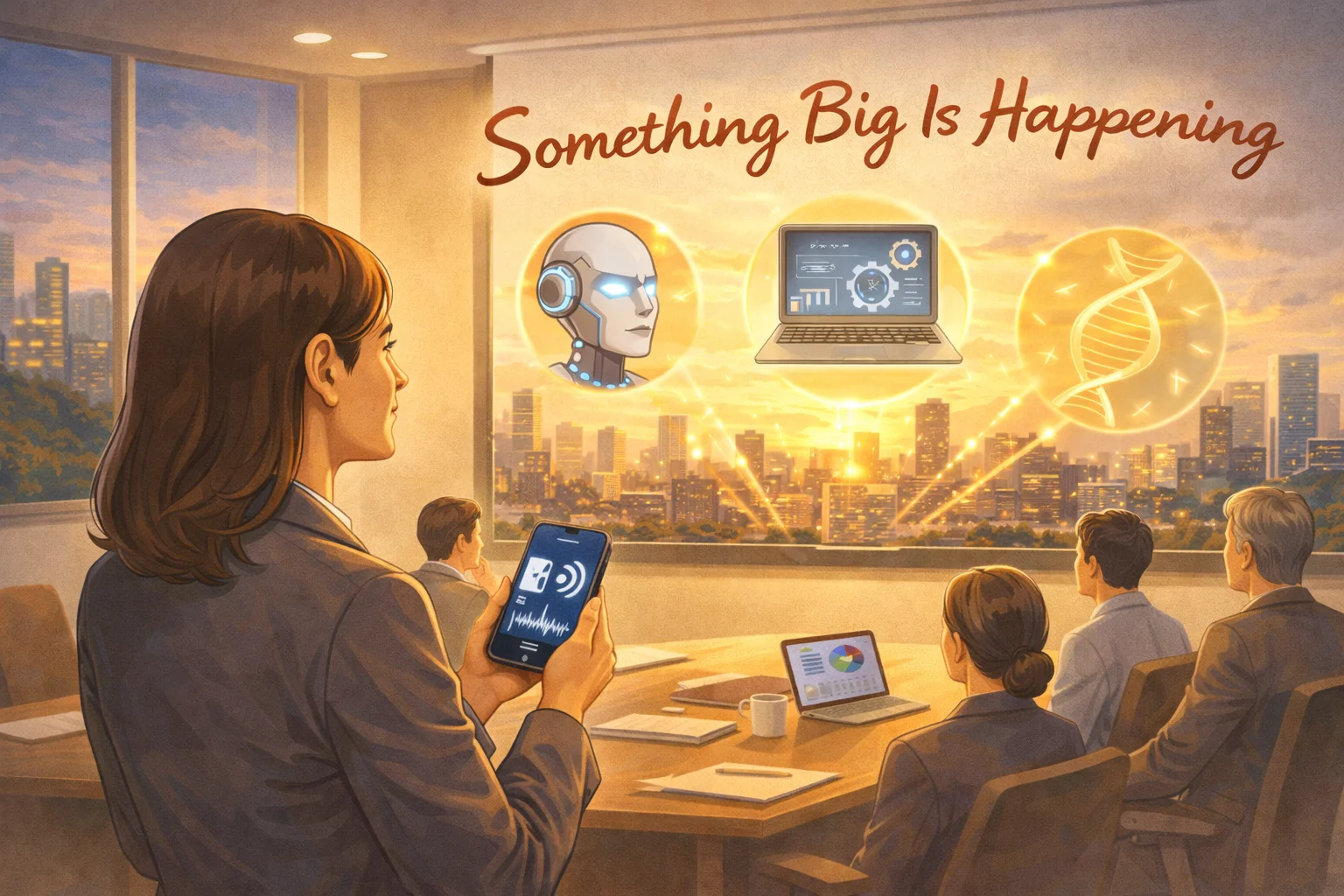
In the AI era, the sooner you have your own digital base, the sooner you can start accumulating, and the sooner you get rid of the anxiety of being led by platforms and algorithms.
Music teacher’s personal website, why do you need to do it yourself?
I know several music teachers, and they often encounter an embarrassment: their professional skills are obviously very strong, but their digital footprints on the Internet are very weak. It’s not because I don’t work hard, it’s because I got discouraged as soon as I heard about setting up a website. This is not difficult to imagine, because many people think of setting up a website as a technical problem.
As a result, you will fall into several common dilemmas:
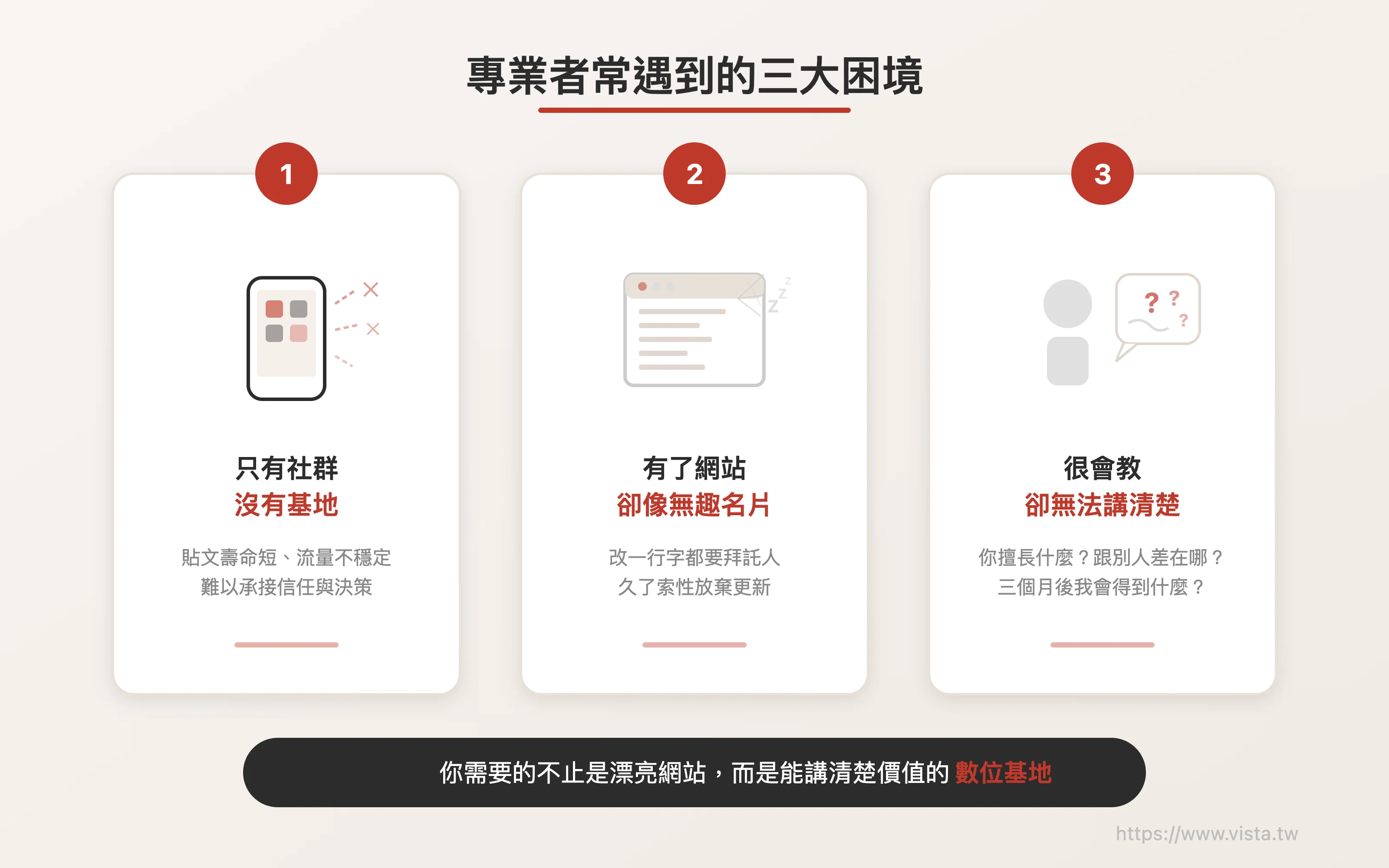 ▲ Three major dilemmas that professionals often encounter: only a community without a base, the website becomes a boring business card, and the teaching value is unclear
Only a community, but no base
Recruitment relies entirely on Facebook or Instagram, but the rules of social platforms are constantly changing, the life of posts is very short, and the traffic is unstable. People who really want to find a teacher often want to see more complete information, such as: the teacher’s teaching philosophy, student achievements, course rhythm, charging method, whether it is suitable for adults or children, whether trial classes are available, class location and contact information…etc.
Although the community can be reached, it is difficult to undertake the process from in-depth understanding, trust to decision-making. This is what I repeatedly emphasized in this article Refuse to be Digital Sharecropper - you need a digital headquarters of your own.
I have a website, but it’s like a boring business card
Some teachers commissioned outsourced vendors to design their websites a few years ago, but not only were they not revised, but the content remained unchanged. The scariest thing is that if you want to change a line of words, you have to ask someone. After a while, I felt tired and simply gave up updating. As a result, the website gradually became a “I’m actually embarrassed to show it to others” existence.
I am good at teaching, but I can’t explain it clearly.
I know several music teachers who actually have a unique method for on-site teaching. Unfortunately, it is not organized into an easy-to-understand structure. Parents or students still don’t know after reading it: What are you good at? What’s the difference between you and other teachers? If I come to class, what will I get after three months?
These are not marketing words, but communication design. A personal website is the most suitable place to host this content. If you are interested in how to clearly explain your major, I recommend reading Find your keywords: Use AI to polish the core elements of your personal brand.
What music teachers want is not just a beautiful website, but a base that can be continuously updated, accumulate works, and clearly explain the value of teaching.
Therefore, the value of Vibe Coding lies in greatly lowering the threshold for building this base, allowing teachers to build websites without having to know how to write programs.
Quickly create a website prototype through four steps
When I teach Vibe Coding, what I care about most is not the tools, but the order. Because many people get stuck not because they can’t do it, but because they “want to be perfect from the beginning”. As a result, there will never be a first version.
Our process today is simple, but every step is critical:
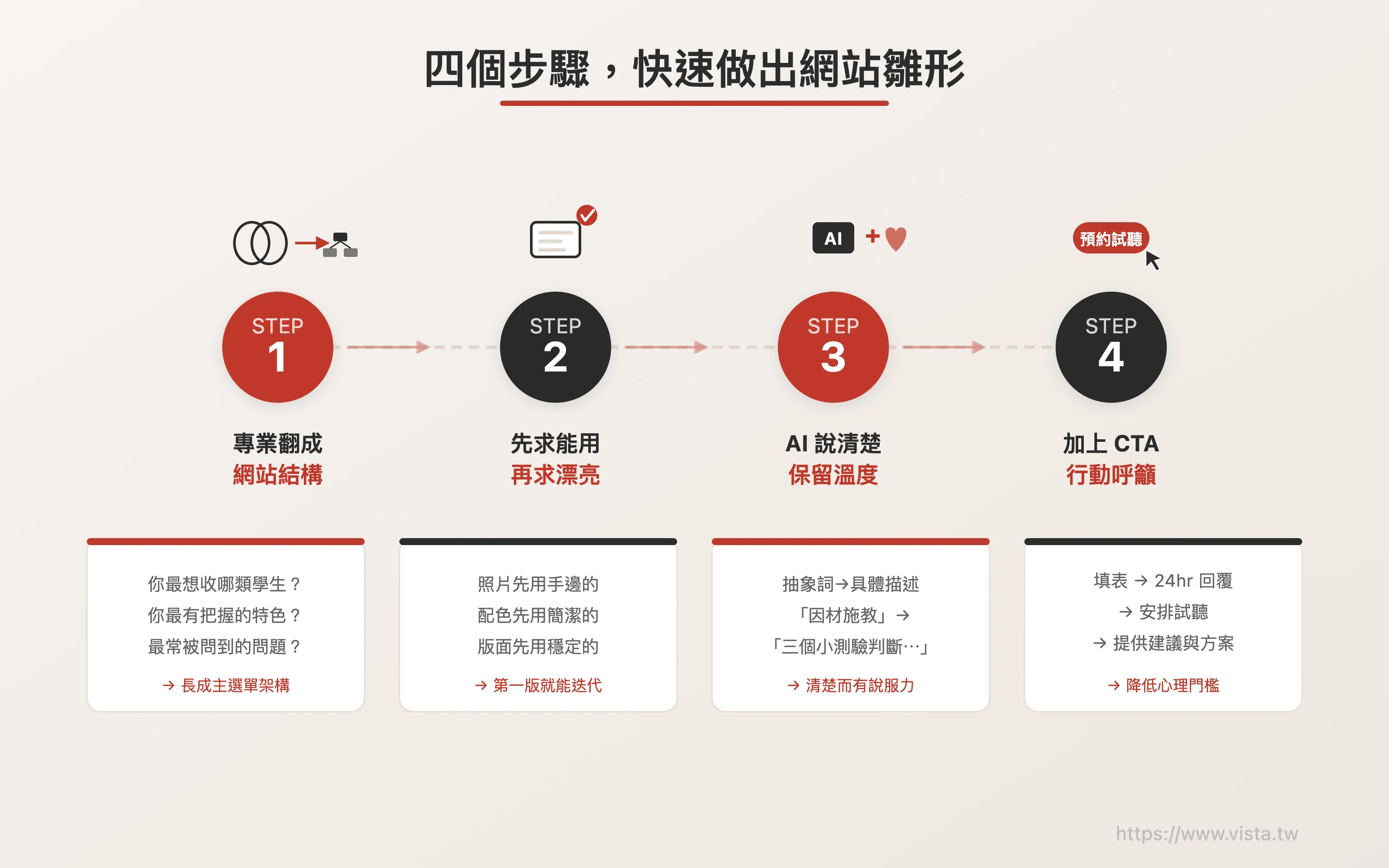 ▲ Take four steps to build a website from scratch: professional translation, making the first version, using AI to explain clearly, and adding a call to action
Step one: Translate the teacher’s major into a website structure
I first asked her some very pragmatic questions: What type of students do you most want to accept? (Children’s enlightenment? Elementary school examination? Adult interest? Music class?) What is your most confident characteristic? (Patience, rhythm training, listening, exam strategy, stage presence or sparring system) What are the three questions you are asked most often?
These questions may seem mundane, but they can quickly become the main menu of the website: About me, course plans, student achievements, performances and works, FAQs, and appointment/contact.
This set of ideas is actually consistent with the method I shared in Let ChatGPT plan your personal brand development plan for you - first clarify who you are, who you serve, and what your unique value is, and then let AI help you grow the structure.
Step 2: Make a usable first version first, rather than pursuing beauty first
We first let Antigravity do the planning, then put the copy on it and stand up the structure so that the website can be read, understood, and connected. You can use the photos you have at hand first, use simple colors first, and use stable layouts first. As long as the first version is established, it can be iterated later.
You’re not making a one-off piece, you’re building a system that can grow over time.
这也是 Vibe Coding 最迷人的地方。 As I mentioned in Vibe Coding drives marketing superpower - AI helps you quickly prototype ideas, allowing you to evolve from “waiting for others to do it for you” to “doing it yourself”.
Step 3: Use AI to help her explain the content clearly, but retain her warmth
Music teachers often have many professional details, but it is easy to be too reserved when writing introductions. I will guide her to throw the spoken language to the AI and do two more things:
- Replace abstract words with specific descriptions - For example, “Teaching students in accordance with their aptitude” should be changed to “In the first class, three short tests will be used to determine the child’s rhythm and hand shape, and then four weeks of practice will be arranged.”
- Change professional language into language that ordinary people understand - so that parents can understand the teacher’s teaching method without knowing music terminology
The copy written this way will not be bombastic, but it will be persuasive because it is clear and specific. This is exactly the core spirit emphasized in Turn-teaching-into-long-term-assets-with-ai: Use AI to translate your expertise into a language that your audience can understand.
Step 4: Add key design for enrollment - CTA (call to action)
It would be a pity if a music teacher’s personal website is just for display. The most important thing about recruiting is to make it easy for the other party to take the next step of decision-making. So, we will make the two buttons very clear today. What are they? You guessed it, just reserve a trial and contact us.
Then, add a brief process description:
- Fill in the form
- Reply within 24 hours
- Arrange an audition
- Provide suggestions and solutions
In this way, the psychological threshold of parents or adult students will be significantly lowered.
A good CTA doesn’t sell, it reduces the friction of action. When visitors finish reading your professional introduction, make it easy for them to take the next step.
After completing these four steps, the prototype of the website will be ready. More importantly, after she understands this process, she will be able to update it in the future: add new enrollment levels, upload student performance photos, write new courses, and fill in frequently asked questions. From now on, the website will not just sit there with spider webs after it is finished, but can grow along with the teaching career. Of course, the website can also be turned into a cash register.
**Want to make your own professional website? **
The Vibe Coding Practical Workshop I opened is specially designed for professionals who have no programming foundation. 3 hours to start from scratch and use AI to turn your idea into a launchable website. No need to write programs or hire engineers - you just need to bring your expertise and leave the rest to Vibe Coding.
Whether you are a teacher, lecturer, consultant, designer or freelancer, as long as you have a major but don’t have a personal website yet, this class is for you. Learn course details now →
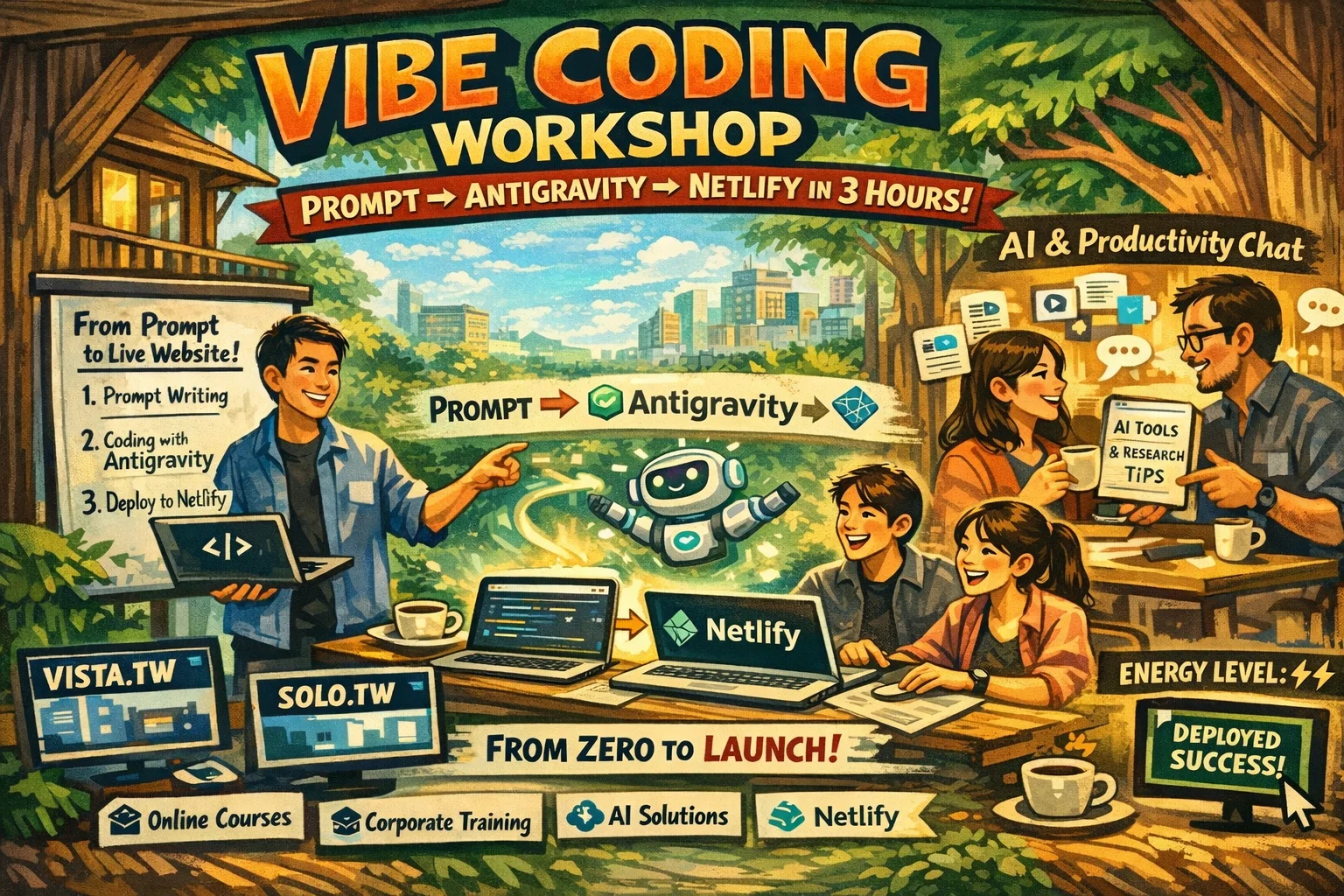
Vibe Coding is actually empowering professionals
I often say that the most cherished thing in the AI era is not how cool functions you can make, but whether you can quickly turn your expertise into an asset? The music teacher profession already exists, it just lacks a container to carry it; and the website is that container.
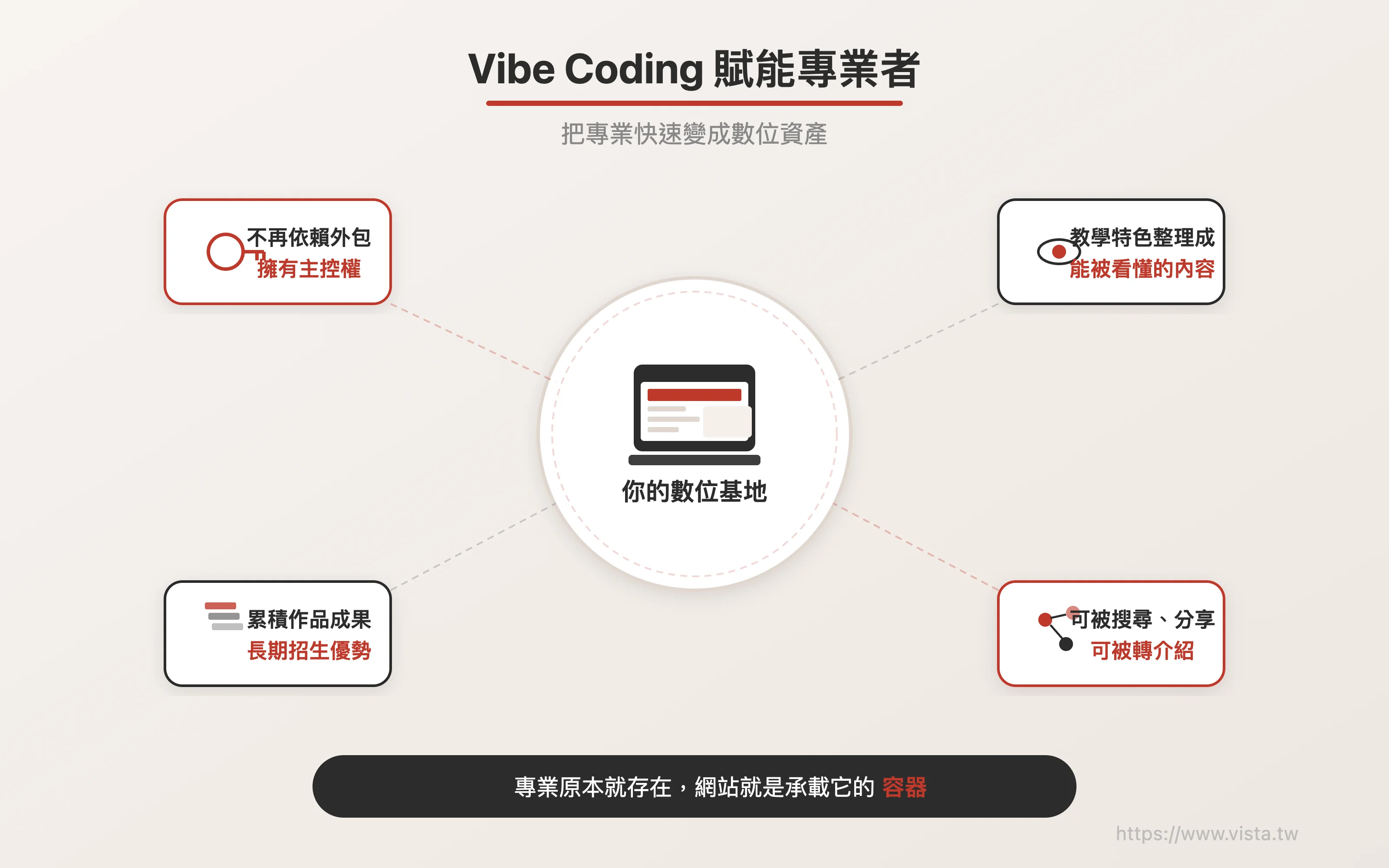 ▲ The core value of Vibe Coding: Let professionals have digital control and turn expertise into visible assets
When a person with no programming foundation can make the official website look like it in a short time, what really changes behind it is:
- She no longer relies on outsourcing and technical personnel, she has the control
- Her teaching features are organized into content that can be understood and believed
- She began to accumulate works and achievements, forming a long-term enrollment advantage
- Her expertise no longer exists only by word of mouth, but can be searched, shared and referred
No matter how powerful the tool is, the real value still comes from your expertise. What Vibe Coding does is make your expertise visible to the world.
This is why I have always liked Vibe Coding: it does not teach you to be an engineer, but allows you to use the smallest technical threshold to achieve the digital base that professionals desire. In my opinion, this coincides with the point in The hardest thing to sell in 2026 is not the product, but “you” - you yourself are the best product, and the website is your showroom.
If you also want to make a personal website that can recruit students, update, and represent you
The progress of today’s music teacher will actually be the progress of many people: you may be a writer, lecturer, consultant, coach, designer, therapist or photographer - you have a profession, but you happen to lack a website that can be accumulated in the long term; you may have tried to design a website, but you are stuck in technology, stuck in outsourcing, stuck in not knowing how to write copy, stuck in not knowing how to explain the service clearly?
The positioning of Vibe Coding Practical Workshop is to allow you to complete the first version in a short time and take away a set of replicable processes. You don’t need to know how to program, but you will learn:
- How do you translate expertise into website architecture?
- How to use AI to explain content clearly?
- How to turn works and services into understandable pages?
- How to create a call to action that makes people want to contact you?
The most important thing is that you will actually produce results in the course instead of just listening to theories and concepts.
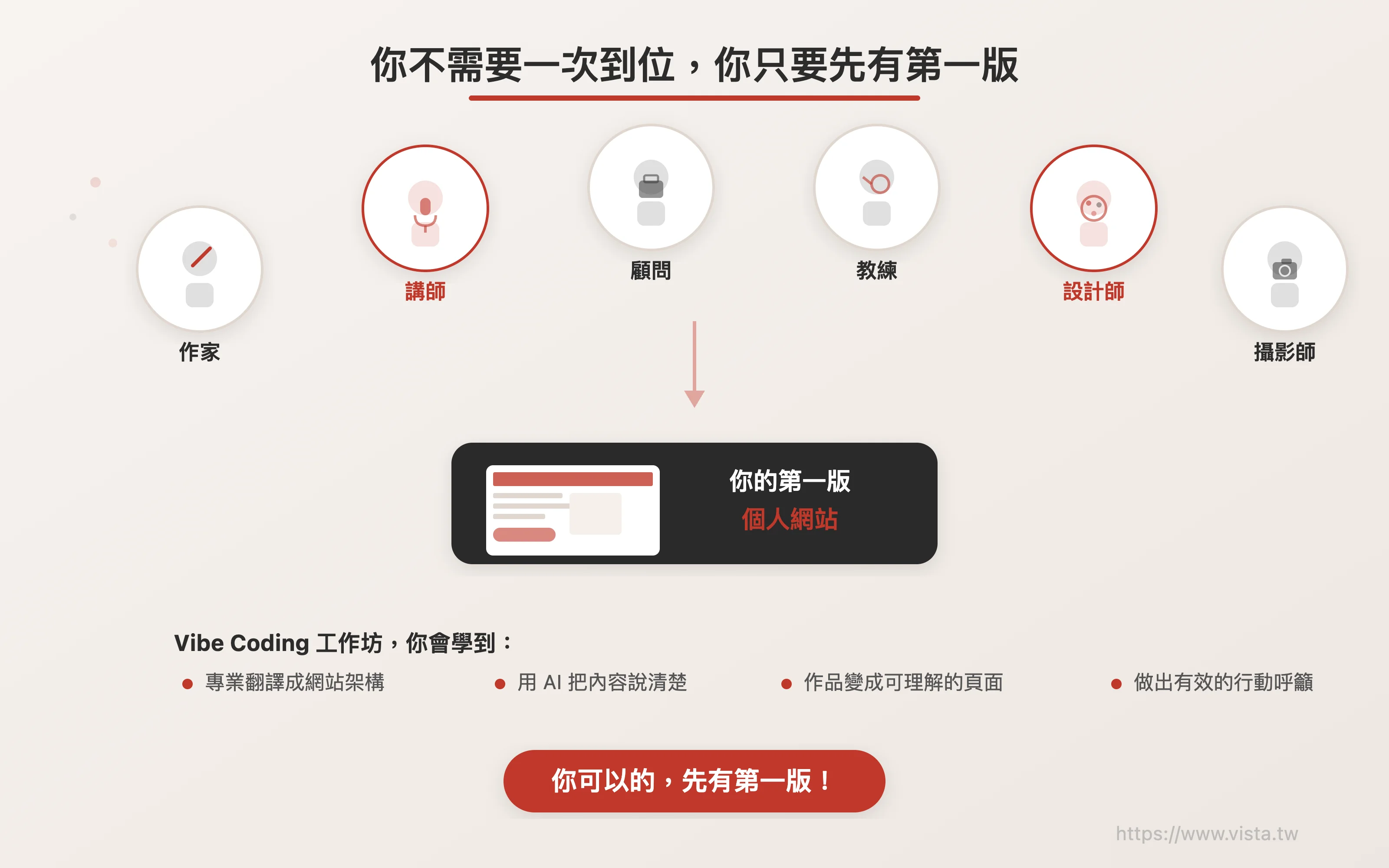 ▲ You don’t need to get it right at once, you just need to have the first version first - let Vibe Coding take you through the rest step by step.
I really hope to give this sense of accomplishment that I can see changes in a short time to more people. Because in the AI era, the sooner you have your own base, the sooner you start accumulating, the sooner you can get rid of the anxiety of being led by platforms and algorithms.
You don’t need to get it right first time, you just have to have the first version first. Let’s grow the rest step by step through Vibe Coding!
If you are thinking about whether to start, or you feel that you are completely untechnical and may not be suitable, I would like to use the case of today’s music teacher to tell you: you can do it.
Extended reading:
- Vibe Coding drives marketing superpower: Let AI be your digital creative partner
- Refuse to be a digital tenant: Why do you need to use Vibe Coding to build a digital headquarters in 2026?
- Lecturer’s Digital Asset Management Technique: Use AI to turn teaching experience into a compounding system
- A cruel watershed in the AI era: Why has the income of 95% of freelance workers been cut in half, while the income of 5% has doubled?
- The hardest thing to sell in 2026 is not the product, but “you”
External Resources: