Blog
Practical insights on AI, writing, and content strategy
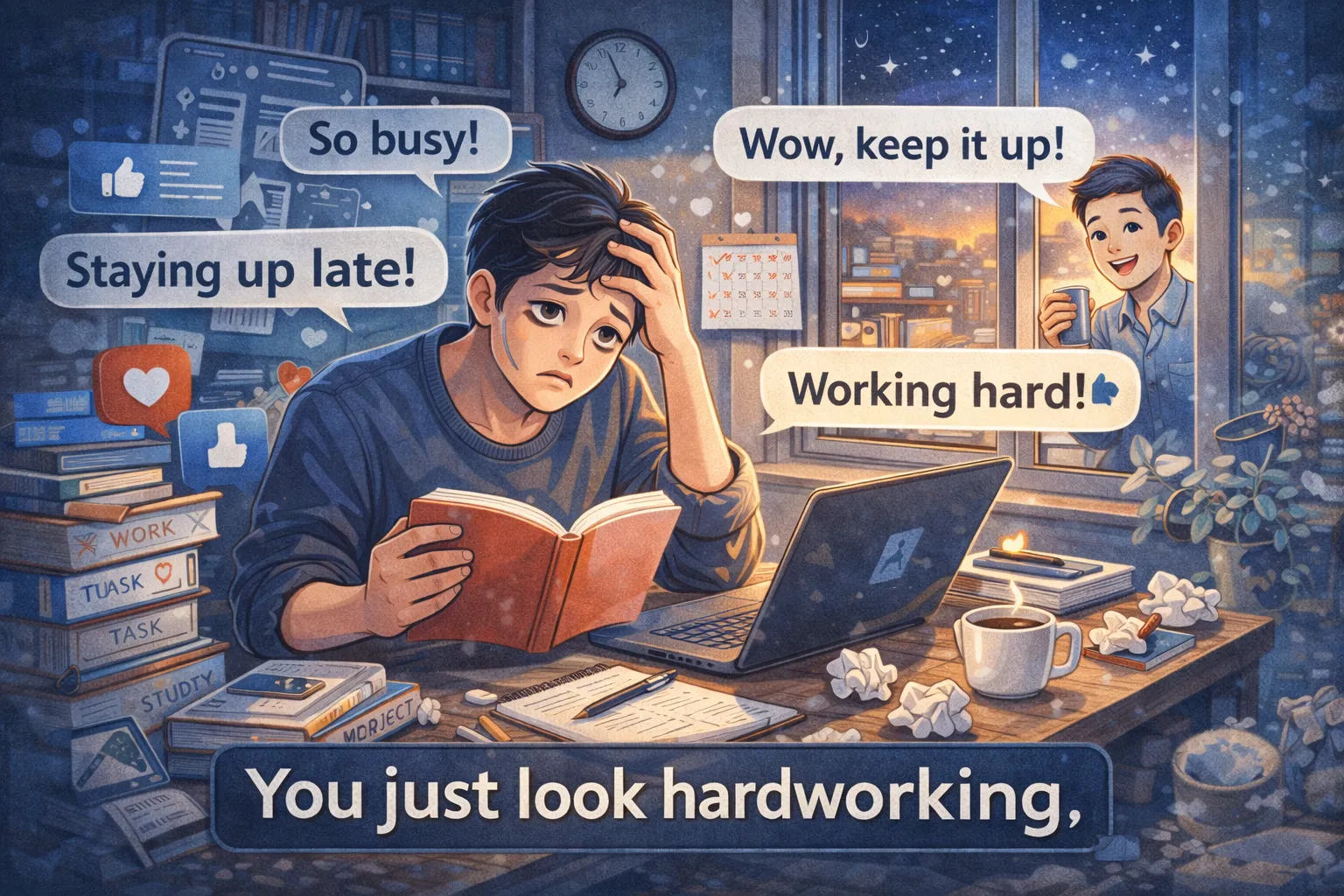
Reading experience of "You Just Look Hard": In the AI era, don't let fake efforts swallow up your energy
Based on twenty years of experience in the workplace, combined with the core ideas of Li Shanglong's "You Just Look Hard", I will talk about how to identify fake efforts, stop unnecessary anxiety, and cultivate fearless inner strength in the AI era to become a better version of yourself step by step.
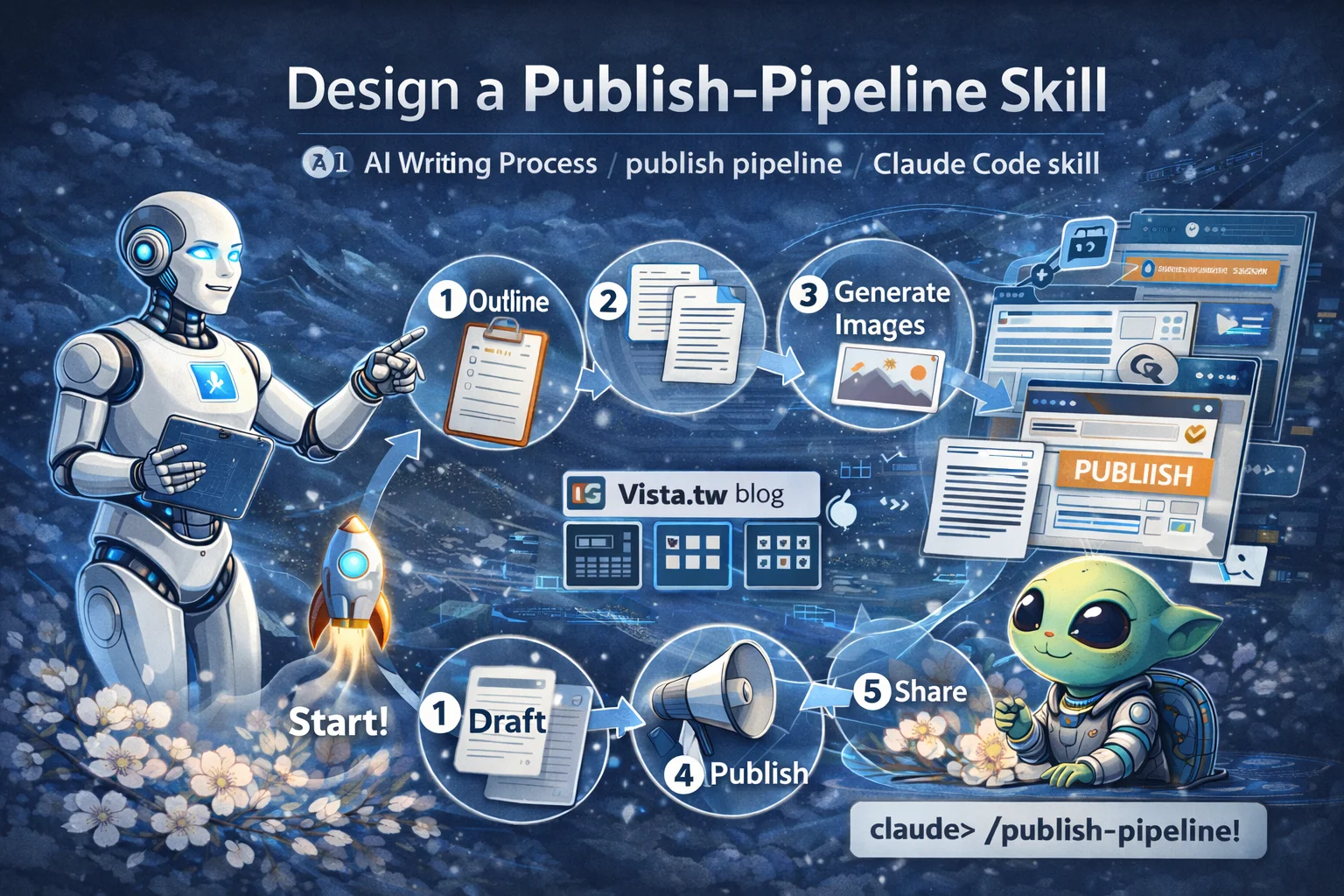
How I designed an AI publishing pipeline: 6 stages to shorten article writing from 4 hours to 40 minutes
Dismantling my complete idea of designing the AI publish pipeline: 6 stages (research → writing → polishing → SEO → deployment → distribution), how to let AI complete the 4 stages independently, and humans only intervene at key nodes. Attached is the implementation architecture and design principles.
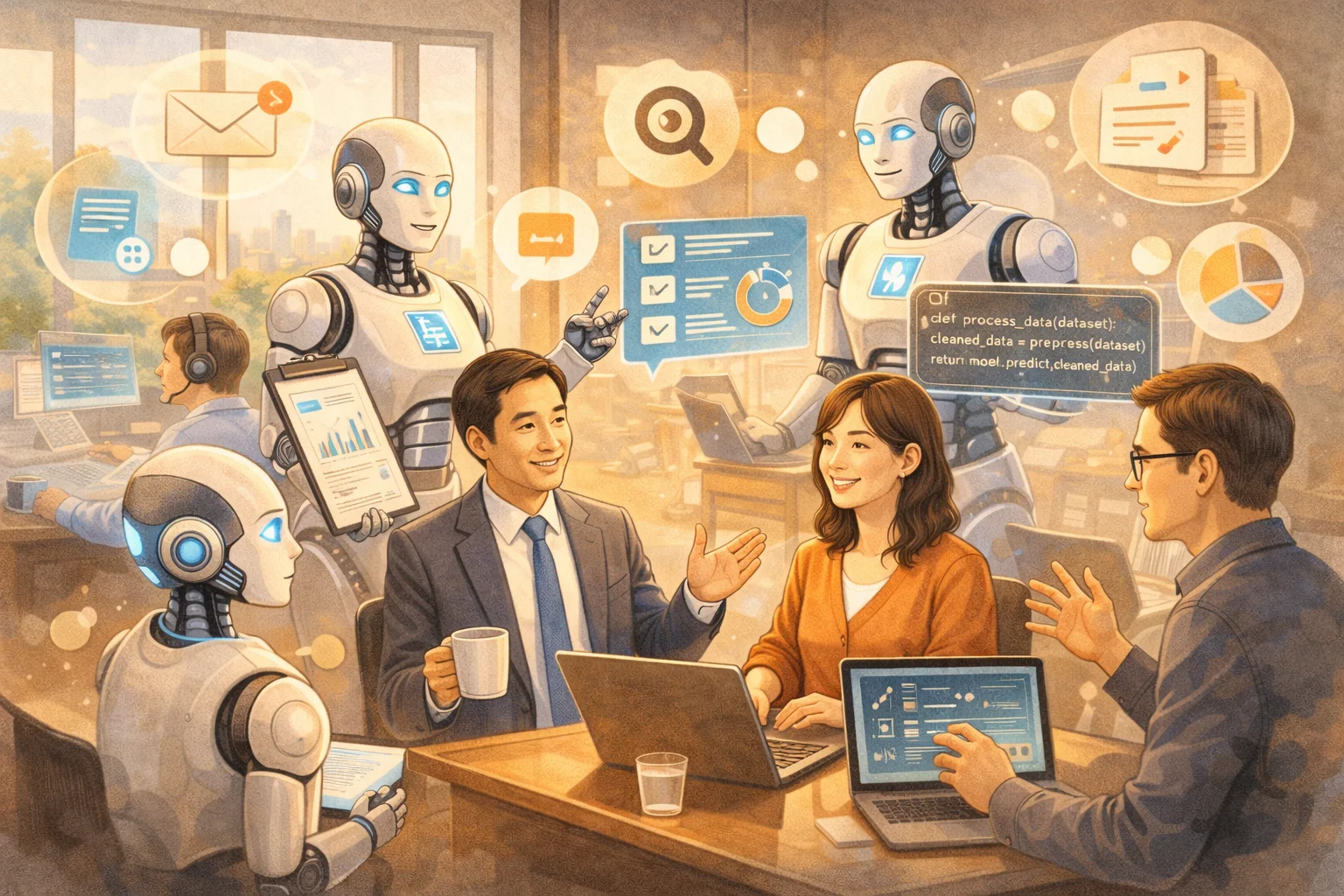
How can professionals make good use of AI Agent? The key shift from asking AI to letting AI do it for you
Many people use ChatGPT to ask questions and write copy, but they always feel that something is missing? AI Agent is the missing piece of the puzzle. This article shares the core differences between AI Agent and Chatbot, as well as three scenarios that professionals should give priority to introducing, to help you upgrade from a "questioner" to an "AI supervisor".

Read Wanweigang's "Humans Are More Dangerous than AI": Your micro-decisions are the key that AI cannot replace
The concept of "micro-decision-making" proposed by Wanweigang's new book made me rethink the division of labor between humans and AI. The more powerful AI becomes, the more people need to know how to make decisions—rather than leaving decision-making power to machines.
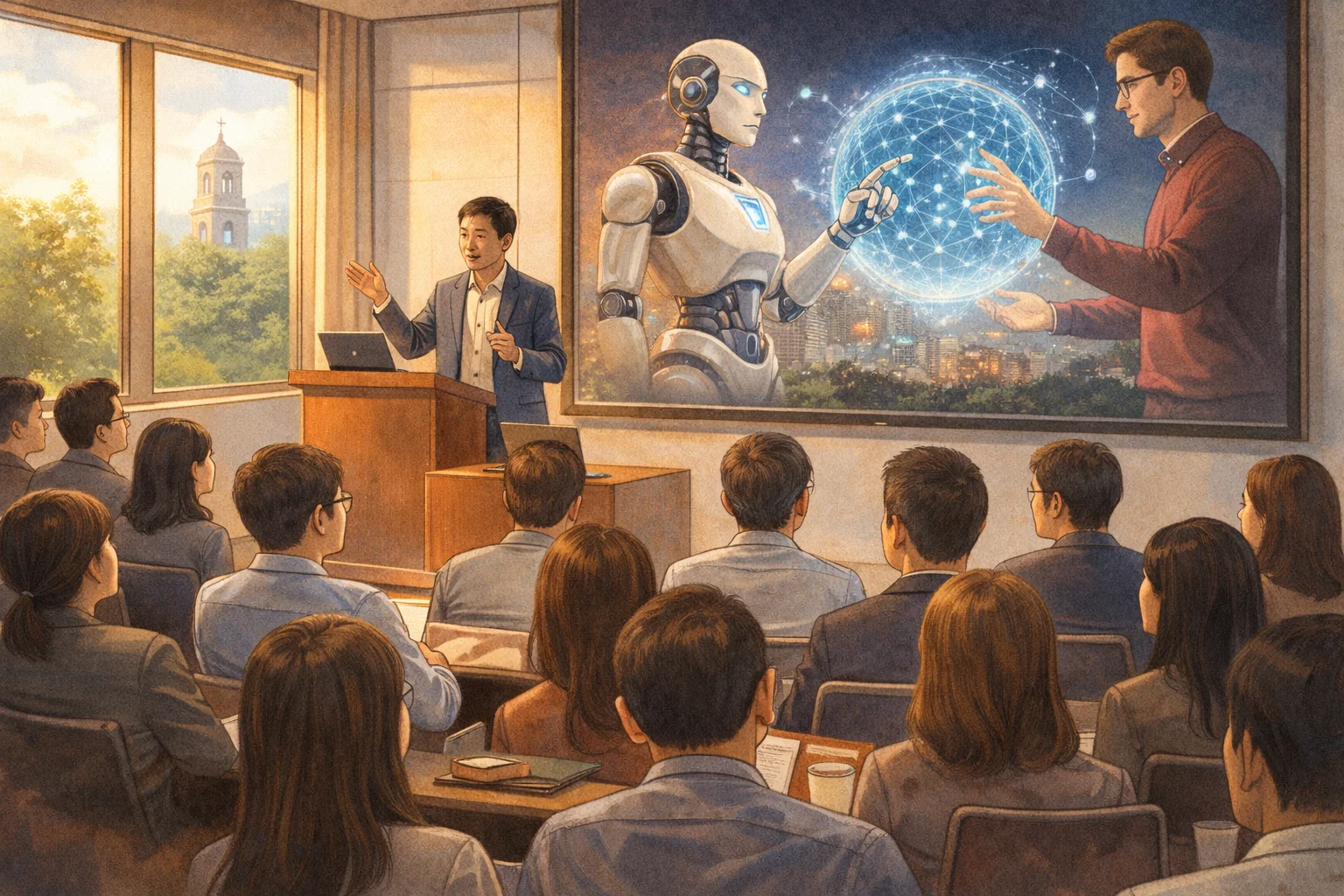
When AI meets communicators: In the EMA lecture at National Chengchi University, we work together to redefine the boundaries of human-machine collaboration
In the EMA lecture of the School of Communication at National Chengchi University, practical AI experience was shared with communicators in the master’s in-service class. From the three-layer AI literacy framework from "used" to "used well", the 70/30 content creation rule, voice review workflow, to Vibe Coding and academic research applications - AI is an amplifier, not a replacement, and your professional knowledge is the real moat.
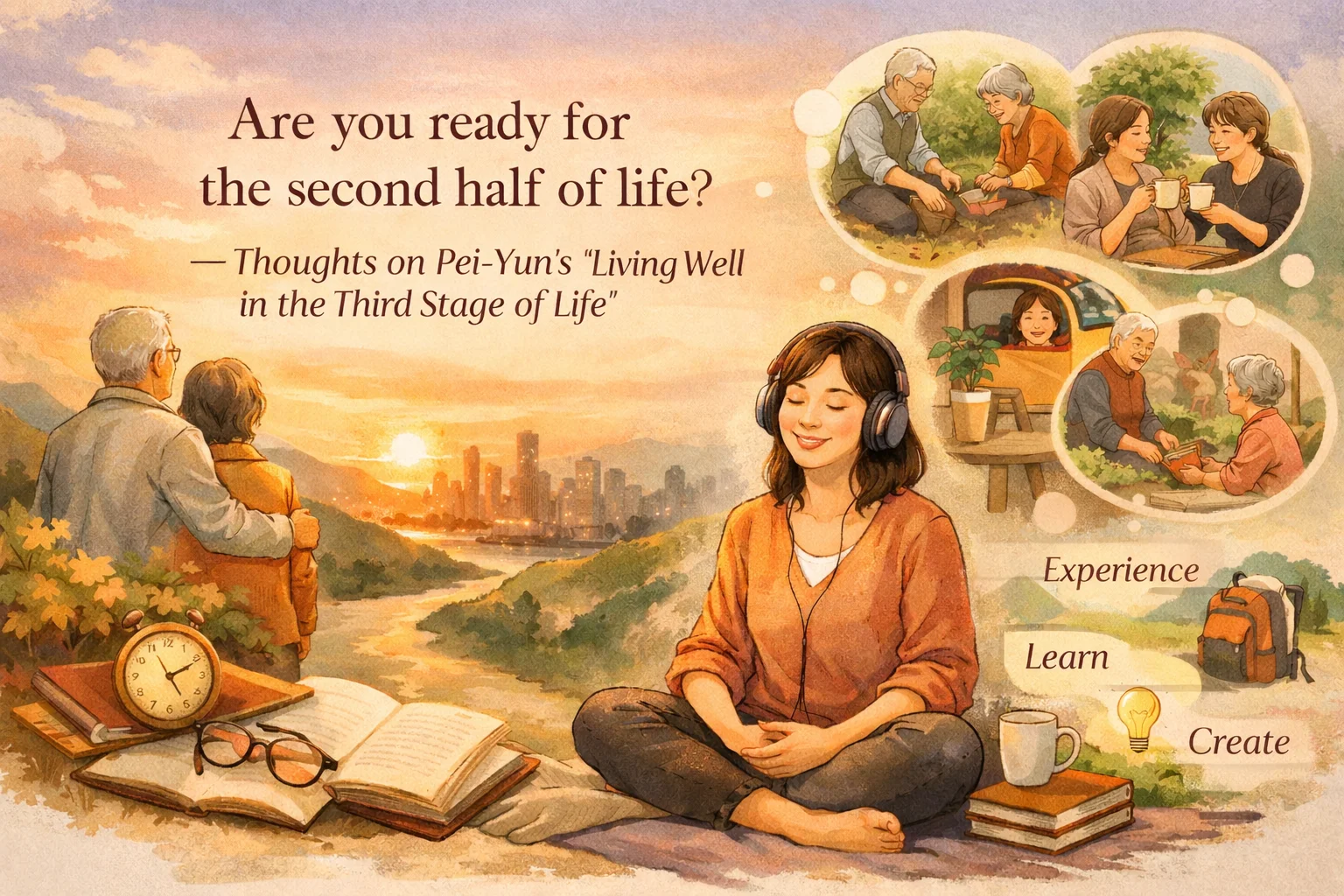
Are you ready for the second half of your life? ——Five profound insights from listening to Hong Peiyun's "Live Well in the Third Life"
Clinical psychologist Hong Peiyun's audio course "Live the Third Life Well" uses a warm voice to take you into spiritual preparation for the second half of life. From the three steps of observation → awareness → insight, to thirty minutes of self-care every day, to the essence of life of experience, learning and creation - this course not only gives you the principles, but also accompanies you from knowing to doing.

How to practice small economics in short videos? A new marketing idea to impress people with a sense of instant healing
In an era of emotional fatigue, young people no longer chase long-term goals but crave small, immediate blessings. Short videos have become the best carrier for brands to sell a sense of healing - abandoning perfect packaging and embracing real human details can capture people's hearts. This article provides an in-depth analysis of the core logic and practical strategies of small economics.

You can make games even if you don’t know programming: How Mr. Innovation used Vibe Coding to create a “move your left and right brain” app
Mr. Innovation (Chen Jianming) has no information engineering background at all, but he used Vibe Coding to create a "use your left and right brain" game app from scratch. This article records the essence of this online live lecture, from innovative thinking, inspiration making machine rules to practical Vibe Coding methods, and completely presents the real development process of a non-engineer.

Use Vibe Coding to build an event registration system: a real development review by a non-engineer
From request generation to online registration acceptance, I used Vibe Coding to create a complete event registration system in one day. This article reviews the entire development process, including technology selection, debugging experience of three real bugs, and five practical Vibe Coding tips.

A complete guide to personal branding in the AI era: from positioning, content to monetization, understand it all at once
When AI makes it easy for everyone to produce content, personal branding becomes more important than ever. This complete guide covers brand positioning, content system, digital layout, community management and monetization model to help you build a personal brand with a real moat in the AI era.
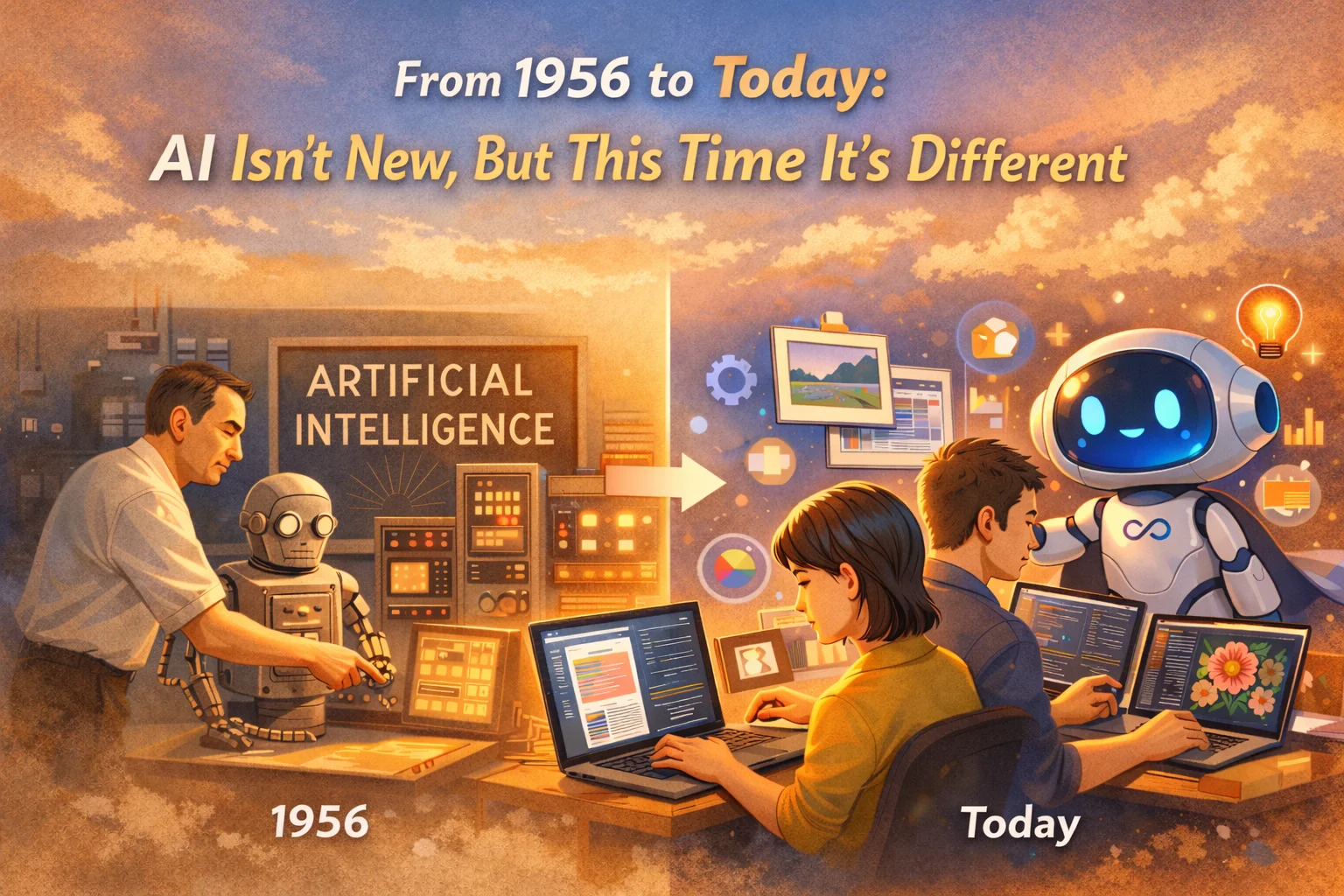
Vibe Coding: It doesn’t matter if you don’t know how to program, use natural language to create your digital works
From the birth of AI in 1956 to today’s generative AI era, Vibe Coding allows everyone to create digital works by talking to AI using natural language. This article fully introduces the core process of Vibe Coding, comparison of commonly used tools, and five keys to effective practice.

When marketing is no longer slow - how CDP allows brands to get ahead of consumers
By integrating dispersed data through the Customer Data Platform (CDP), AI can predict consumers' needs and push dynamic content before they take the initiative. From reactive response to proactive prediction, this is a fundamental shift in the marketing paradigm.
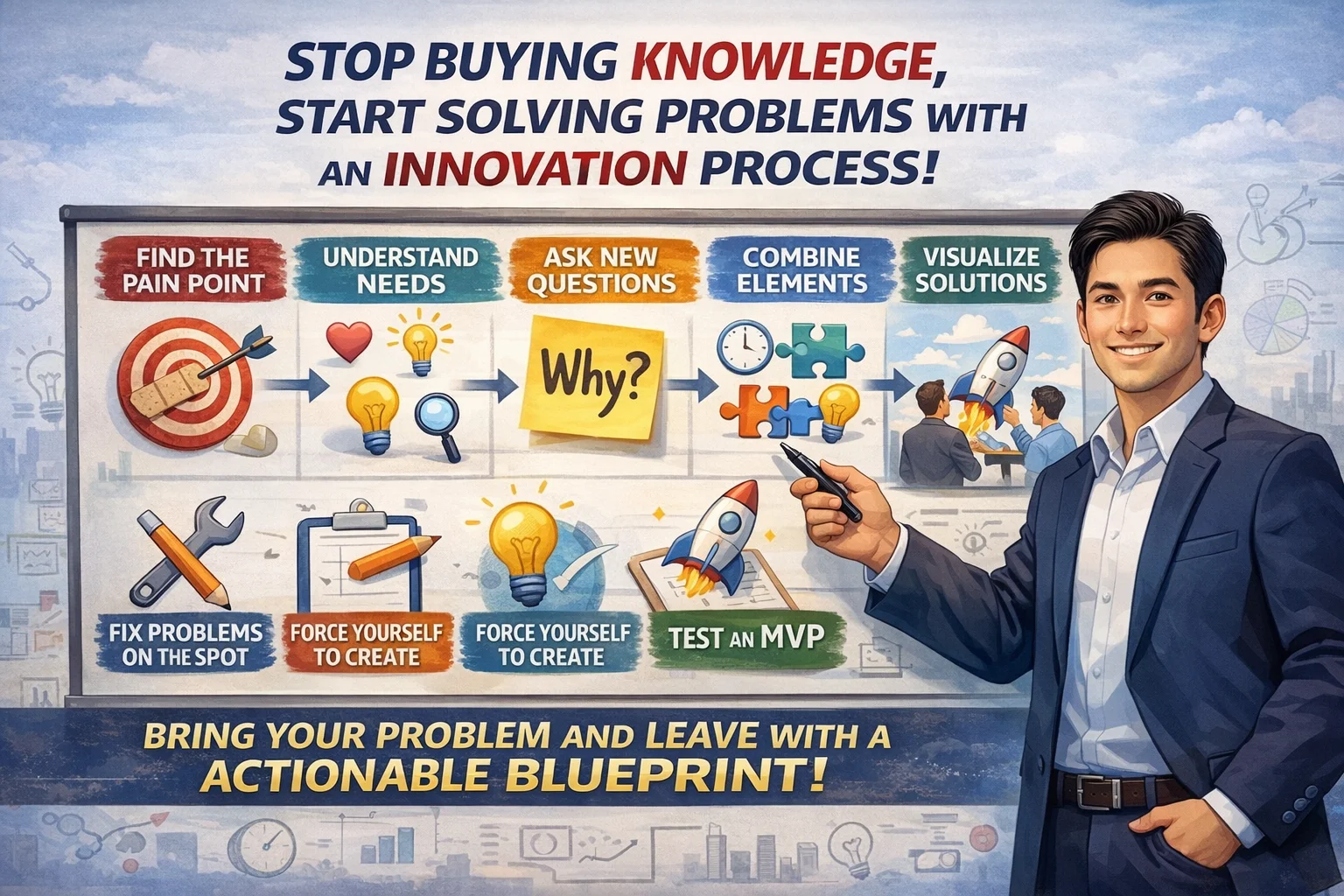
From stuck to breakthrough—unlock your workplace innovation potential
The path to innovation from chaos to systematization. Sharing Mr. Innovation Mr. Chen Jianming's "Practical Innovation Workshop", through the six-step innovation formula, it will take you from defining the problem to implementation, and truly change the rules of the workplace game.
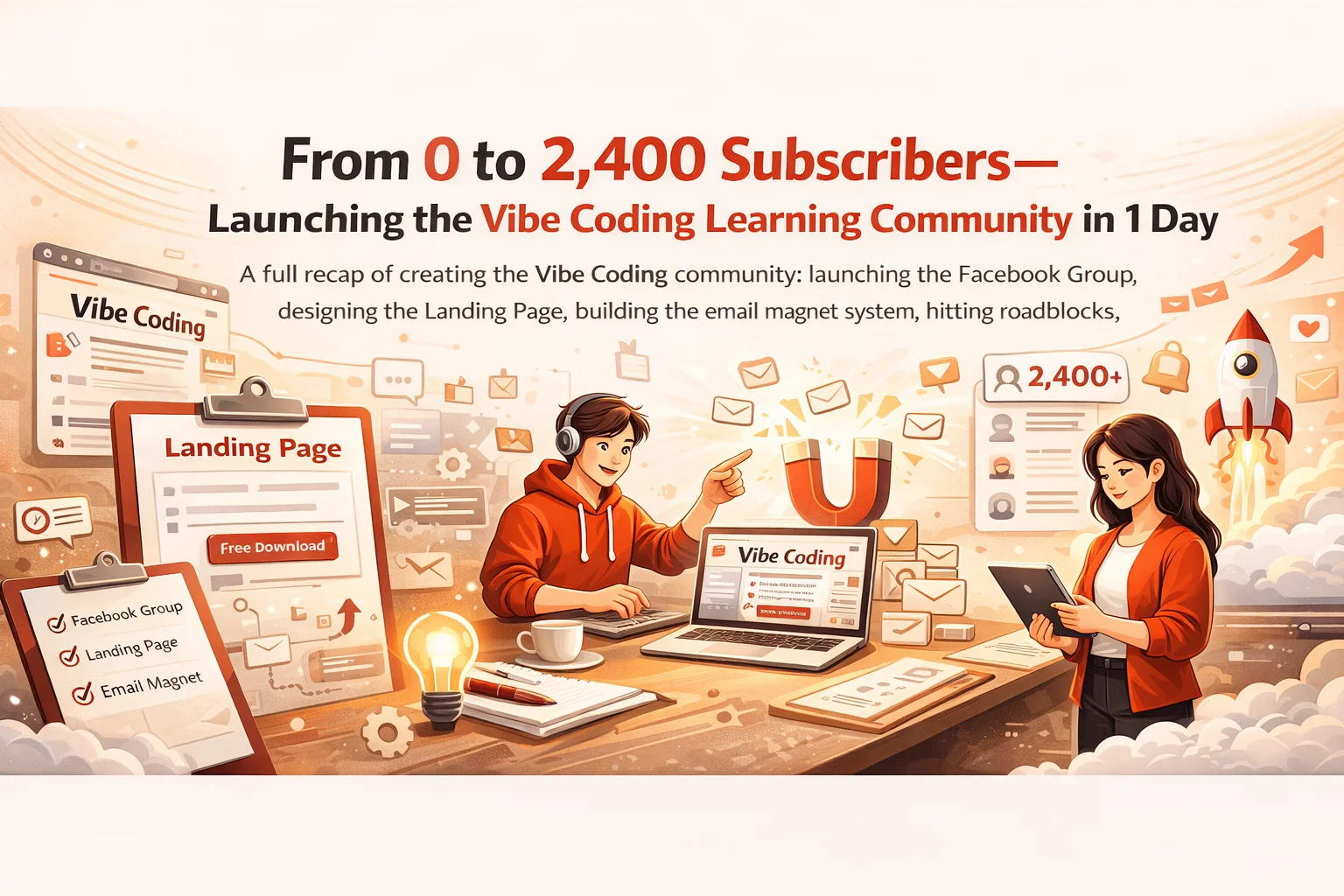
From 0 to 2,400 lists - a complete review of building the Vibe Coding community in one day
From idea to implementation, the process of establishing the "Vibe Coding Practical Community" is completely recorded. Including Facebook community management, Landing Page design logic, list magnet system architecture, as well as setbacks and breakthroughs encountered in the process.
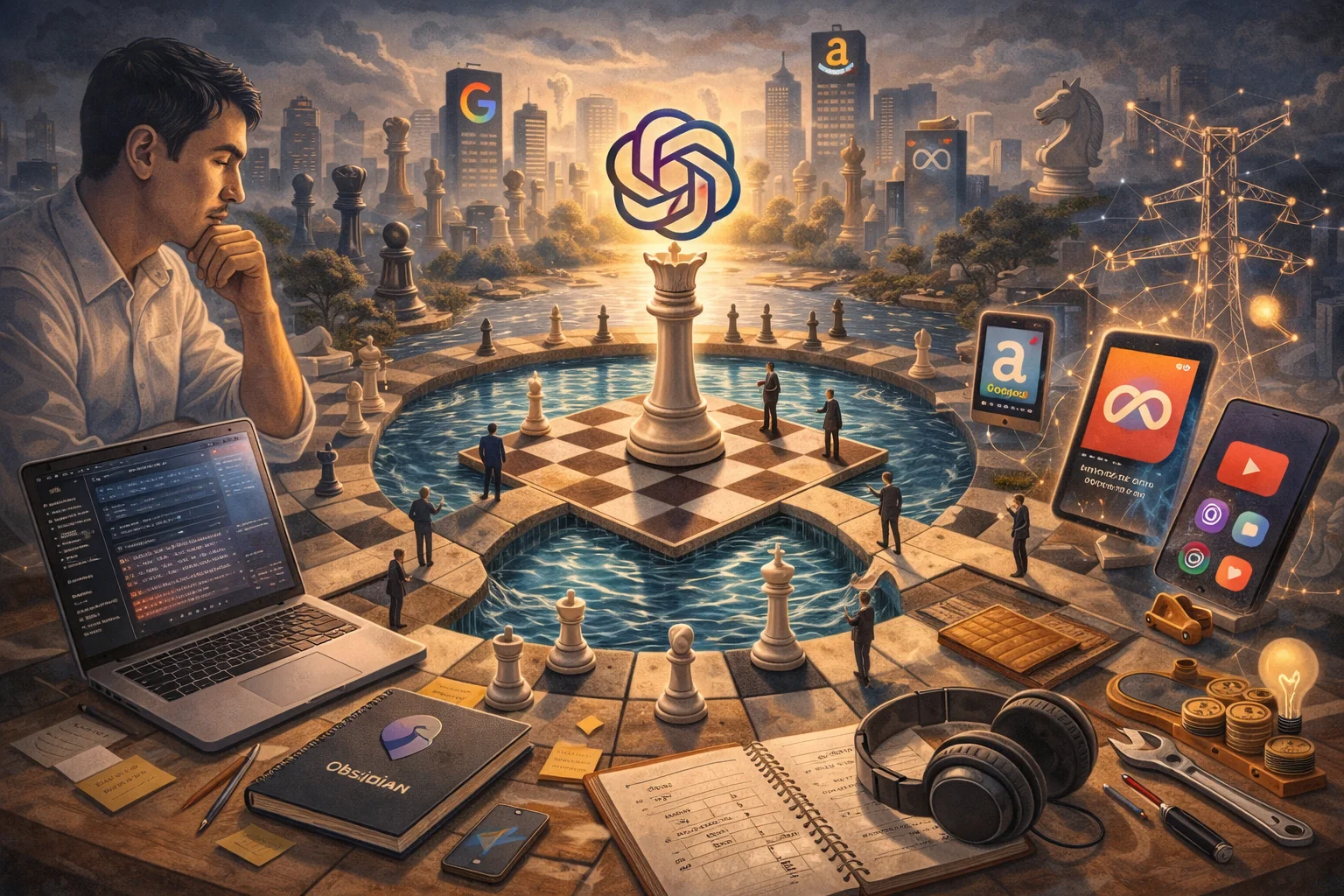
King without a moat: OpenAI’s competitive dilemma and how we should respond to changes in AI
Reading Benedict Evans "How will OpenAI compete?" Impressions. When OpenAI lacks technical moats, network effects, and product-market fit, how can AI practitioners establish their own irreplaceability? Six action strategies to face the changes in AI in 2026-2027.